Choosing your flag: French, Belgian, Polish, Malta…
What the flag really changes — taxes, safety rules, resale — and the usual choices by profile: national flag by default, Belgian, Polish or Malta.
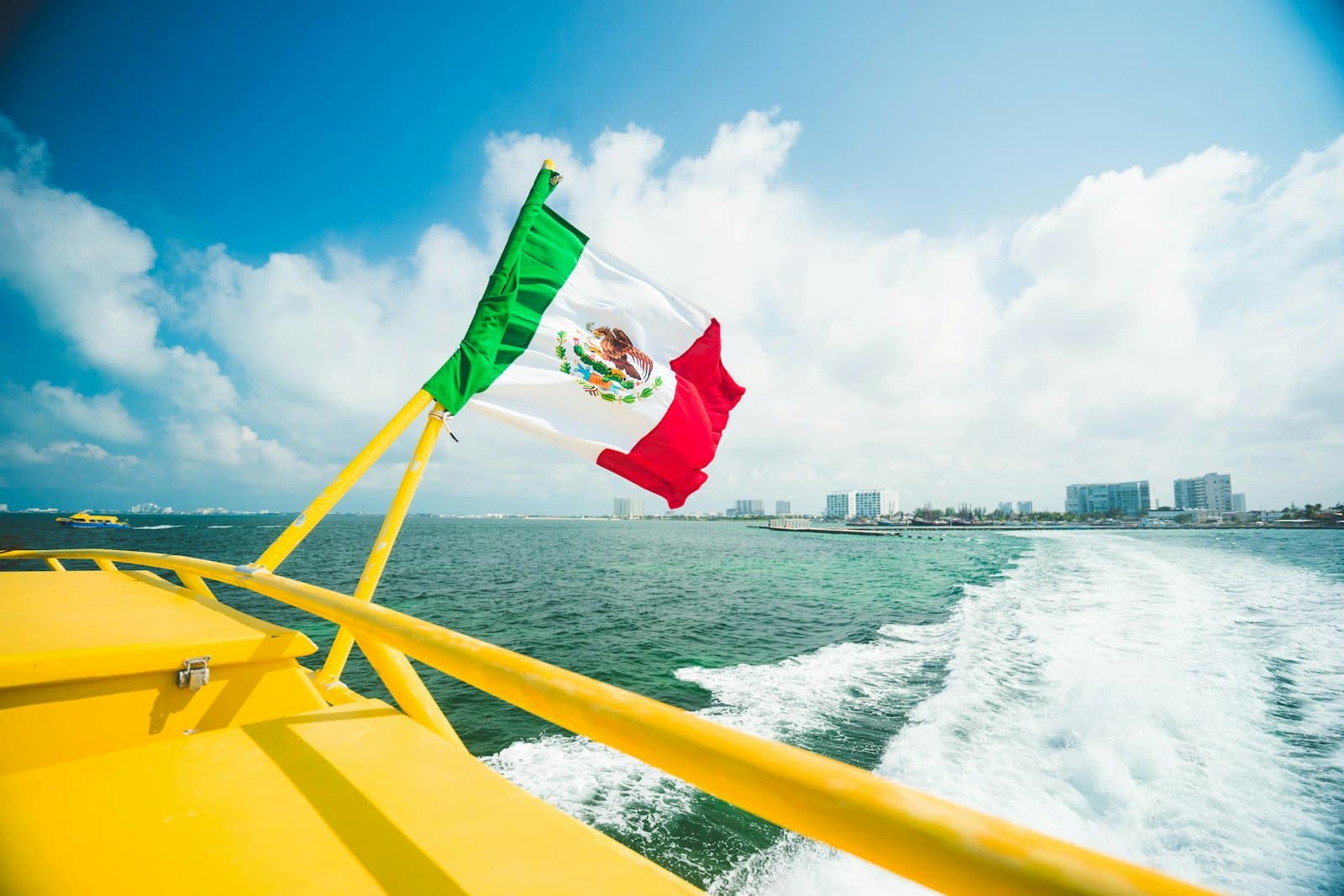
A boat's flag is its administrative nationality: the country where it is registered, whose safety, equipment and registration rules it follows. For an owner resident in France or elsewhere in the EU cruising European waters, the home-country flag is the default choice; Belgian, Polish or Maltese registration answers specific situations. No flag, however, exempts you from VAT or from the obligations attached to your tax residence — the most expensive misconception on this subject.
What the flag actually changes
The flag first sets the regulatory framework on board: mandatory safety equipment, tonnage and registration rules, and whether a marine mortgage can be recorded against the vessel. It then affects our own annual charges, the language and complexity of paperwork (ownership transfers, engine changes), and ease of resale: buyers distrust a registry they do not know. At sea, the boat remains subject to the rules of the coastal state where it sails: flying a foreign flag shields you neither from inspections nor from local rules. For the vocabulary, our glossary defines flag state, home port and registration terms.
The French flag: prescriptive rules and an annual duty
Under the French flag, safety equipment follows Division 240, a prescriptive regime tying mandatory gear to distance from shelter — from a basic list within 2 nautical miles to full offshore equipment beyond 60. France also levies an annual registration duty (DAFN) on boats of 7 metres and over or with powerful engines, from a few hundred to several thousand euros. In exchange: a solid registry, paperwork every French professional knows, mortgage-friendly financing, and easy resale on the buyer's home market. Most flag states sit somewhere on this spectrum between prescriptive equipment lists and skipper's-responsibility regimes, so check what your own registry requires. For a France-Mediterranean programme, the national flag is the rational default.
Belgian and Polish flags: the appeal, and what they do not do
The Belgian flag attracts owners with no annual duty equivalent to the French one and lighter equipment regulation, leaving more to the skipper's judgment. The Polish registry appeals through very low cost and fast online registration. But these registries have their downsides:
- the Belgian flag letter must be renewed periodically, and conditions have been tightened;
- transfers and mortgages are handled in our own language and legal system;
- a French resident remains bound by French obligations attached to the person — motor licences, insurance, taxes — whatever the flag, and the same logic applies in most countries;
- at resale, an exotic registry can make buyers and their banks hesitate.
The real saving is often a few hundred euros a year; the complications are paid for when you sell or finance.
Malta, international registries and professional yachting flags
Malta has become the reference for large yachts and for leasing or commercial operating structures: a respected English-speaking registry with a framework suited to professional charter. France's RIF and similar international registries target professionally run large yachts. For a private owner with a boat of 8 to 15 metres, these registries add nothing: their advantages assume a structured commercial operation with accounting, management and ongoing compliance. If your plan is to charter your boat commercially, flag choice becomes a matter for specialist advice, not a default, and it intertwines with the VAT questions covered in our VAT essentials.
The false good ideas to forget
Three beliefs come up constantly. "Flag X avoids VAT": false — VAT depends on where the boat is bought or imported and on your residence, not on the ensign. "Under a foreign flag, no licence needed": for residents of countries that require motorboat licences, the requirement generally follows the person in home waters; build nothing on this without legal advice. "It makes no difference at resale": it does — an unusual registry complicates the buyer's financing and stretches timelines. For any cross-border structure, have the whole setup validated by a maritime law professional.
Where to start
Start from your profile, not from forums. Resident of your cruising country, sailing home and EU waters, ordinary-sized boat: take your national flag unless you have a precise, costed reason not to. Long-distance cruising outside the EU, international co-ownership, charter operation: build a written comparison — annual costs, paperwork, mortgage options, resale — before deciding, and check consistency with the existing ship's papers. When in doubt, our yacht buying service includes the flag question in its file audit, with referral to a maritime lawyer where the case warrants it. Whatever you choose, keep every registration document carefully filed: switching flags later is possible, but it costs time and money and often complicates insurance and financing along the way.
Frequently asked questions
Can I register my boat under a Belgian or Polish flag while resident in France?
Yes, it is legal: these registries accept foreign owners. But your personal obligations as a resident remain — motorboat licence in home waters, insurance, taxes — and our paperwork runs in its own language and legal system. Cost the real saving before choosing: it is often smaller than advertised.
Does the flag change the VAT due on the boat?
No. VAT depends on where the boat was first sold or imported and on the owner's residence, not on the ensign it flies. A Polish-flagged boat owned by a French resident sailing in France must be VAT-compliant exactly as under the French flag. Schemes promising otherwise expose you to tax reassessment.
Which flag makes resale easiest?
The flag of the market where you will sell. In France, a French flag reassures the buyer, their bank and their insurer, and transfer paperwork is familiar to everyone. An unusual registry does not prevent a sale but stretches timelines, complicates the buyer's financing and can justify a price reduction.
Reading is the easy part. Then you have to decide.
A boat purchase turns on what you cannot see: the real history, the state of the hull below the waterline, how much room there is to negotiate. We represent you — independent of any seller, paid by you alone.