Winterising: haul out or stay afloat?
Haul out or stay afloat? How to decide, the engine, water and fabrics checklist, real costs, and the dry stack option for a worry-free winter.
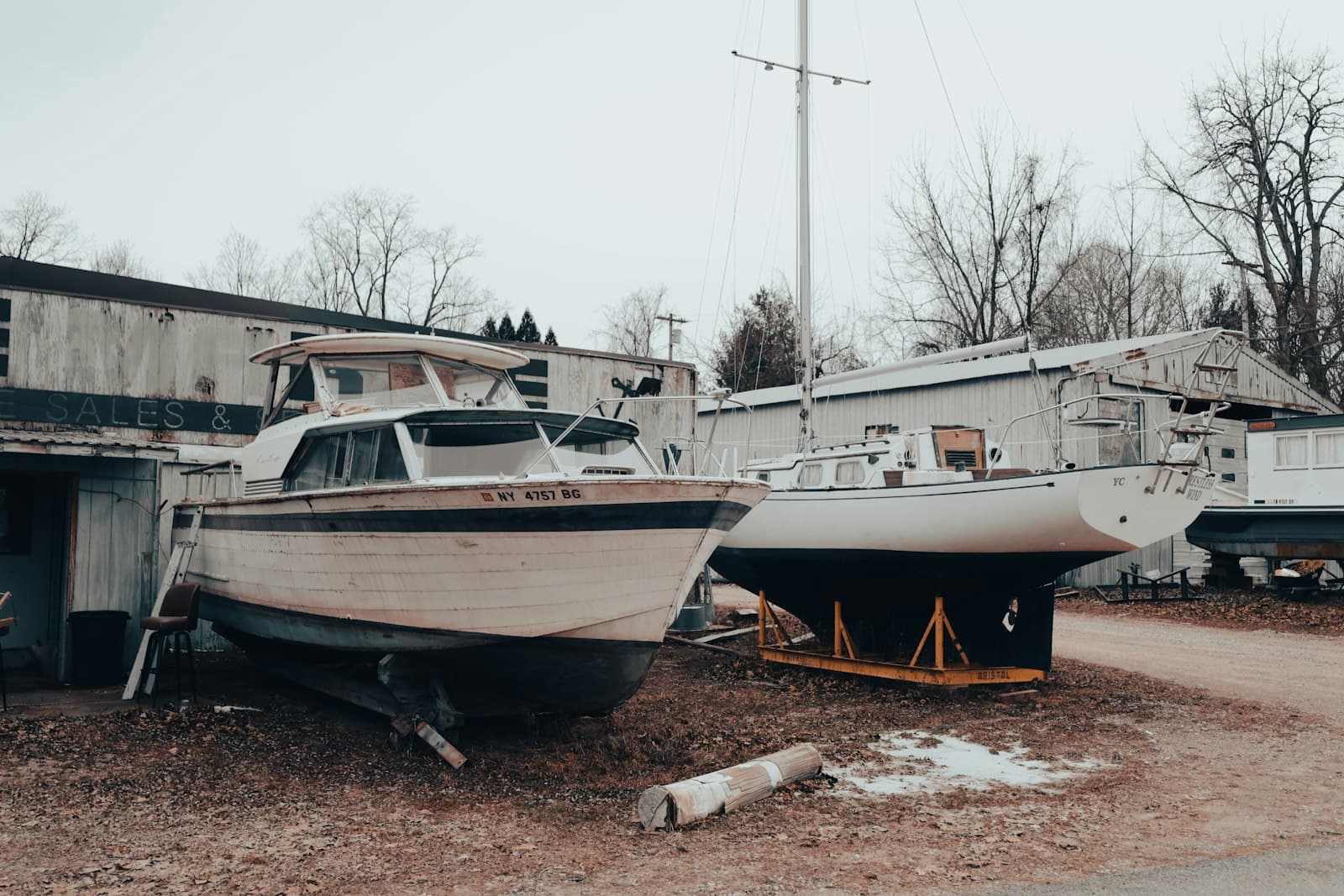
Hauling out every two to three years is enough for most boats in temperate climates: in between, a well-prepared winter afloat does the job perfectly. Ashore, budget €1,000-2,500 for a 33-40 footer, lift and storage included. The right choice depends on climate, hull material, planned works — and on your ability to visit the boat through the winter.
Ashore or afloat: the real criteria
Ashore is non-negotiable in three cases: serious frost and ice (the Baltic, lakes, exposed basins), planned work below the waterline, and the periodic bottom job you need anyway. It is also the chance to inspect hull, rudder, anodes and through-hulls in the dry — exactly what a surveyor would look at. Afloat holds up anywhere winter stays mild, the Mediterranean and Atlantic coasts first among them, on one non-negotiable condition: somebody must check the boat regularly, because a boat afloat can sink, a boat ashore cannot. Steel and aluminium hulls deserve special attention to stray-current corrosion at the dock; older GRP hulls benefit from a spell ashore to dry out and limit osmosis risk. Insurers sometimes reward hauling out, too: check your policy's winter clauses before deciding. One last very practical parameter: if your annual berth is already paid for, wintering afloat costs almost nothing extra.
Engine first: the critical part
This is where neglect costs the most in spring. The standard checklist for a diesel:
- Change engine and gearbox oil before winter, not after: the acids in used oil keep working for six months.
- Fill the fuel tank and add a biocide: a half-empty tank condenses, and diesel bug will clog your filters in spring.
- Antifreeze through the raw-water circuit, impeller slackened or removed.
- Batteries charged, kept on a maintainer or taken home.
- Seacocks closed, anodes checked, a glance at hoses and clamps.
Two to three hours of methodical work, most of it well within an owner's reach — see our engine maintenance guide. At a yard, the engine winterising package bills at €300-600.
Fresh water, fabrics, interior: hunt the damp
Frost breaks things, but damp rots them — and it works all winter long. Drain the fresh water system completely: tanks, pumps, pipework and the calorifier, whose coil bursts at the first hard frost; in cold regions, add food-grade antifreeze to the circuits. Flush marine toilets with fresh water, close the valves. Inside: mattresses and cushions stood on edge or taken home, lockers and fridge left open, a real airflow path from the bilges to the deck vents. If the boat has shore power, a dehumidifier plumbed to drain continuously changes everything; otherwise, chemical moisture absorbers renewed at every visit. Take fabrics, paperwork and food home: anything that moulds, freezes or attracts rodents has no business aboard in winter.
What it costs
Ashore, for a 33-40 footer: €300-700 for the round-trip lift (crane or travel-lift, cradle included), €500-1,500 for five to six months of hardstanding depending on the region, plus optional covers or shrink-wrap — common in northern Europe. Afloat: from almost nothing — berth already paid, you do everything yourself — to about a thousand euros with a monthly check contract. The yard's engine package: €300-600. Over the year, winterising typically weighs 10-20% of a boat's annual budget: treat it as a full line item, not an adjustment variable.
Dry stack, the hybrid option
For motorboats up to roughly 30-33 feet, dry stack settles the question year-round: the boat lives on a rack, in the dry, launched on demand. Expect €1,000-2,500 a year depending on the region — often less than an equivalent wet berth — with tangible benefits: little or no antifouling, no osmosis, less galvanic corrosion, and a winterising job reduced to the engine and interior checklist. The constraint: booking your launches ahead, and giving up spur-of-the-moment departures. To compare formulas and their full costs, see our berth guide.
Your winterising in five steps
- Book the lift in September: cranes and travel-lifts are fully booked by November.
- Run the checklist in a single day: engine, fresh water, interior, in that order.
- Photograph the boat from every angle and take an inventory: invaluable for insurance.
- Plan a monthly visit — or a boat-minding contract if you live far away.
- Keep a running list of spring jobs, starting with the bottom job and antifouling.
A successful winterising is judged in April: an engine that starts on the first turn, an interior that smells clean, and a job list with no bad surprises.
Frequently asked questions
Do I need to haul my boat out every winter?
No — unless you face hard frost, a steel hull needing attention or work below the waterline. In temperate climates, hauling out every two to three years for the bottom job and inspection is enough, with well-prepared winters afloat in between, provided the boat is checked regularly.
How much does winterising a 33-foot boat cost?
Ashore: €1,000-2,500 for the season, including the lift (€300-700) and hardstanding. Afloat: from almost nothing if the annual berth is already paid, to around €1,000 with a monthly check contract. A yard's engine winterising package adds €300-600.
How do you winterise a boat engine?
Change the engine and gearbox oil before winter, fill the fuel tank and add biocide, run antifreeze through the raw-water circuit, slacken or remove the impeller, charge or remove the batteries, close the seacocks. Two to three hours of work, well within a careful owner's reach.
Your boat can pay for its own berth.
A few chartered weeks a year are often enough to cover the berth and the maintenance. Vetted charterers, secured deposits, and your rules — you keep the calendar.