Fire on board: prevention and reflexes
Electrics, gas, engine: where boat fires start, which extinguishers to carry, the moves that kill a starting fire, and when to abandon ship.
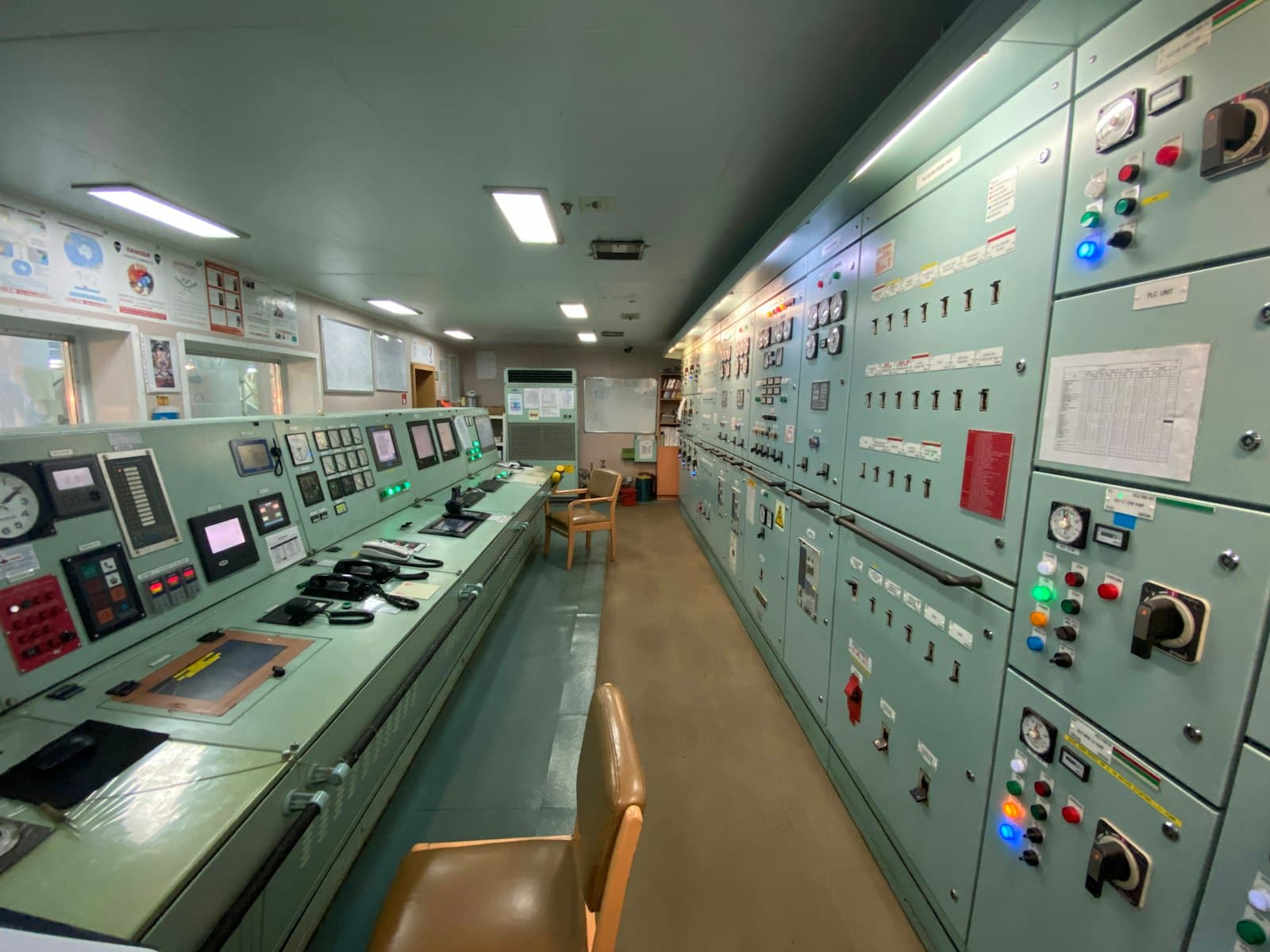
Fires on board almost always start in one of three places: the electrical installation, the galley with its gas system, and the engine compartment. The answer has three parts: prevent through maintenance of those systems, equip the boat with suitable extinguishers and a fire blanket, and know the moves that kill a starting fire in under a minute — because beyond that, on a fibreglass boat, the question becomes evacuation.
Where boat fires start
Insurers' statistics converge: electricity leads by a wide margin. Oxidised connections that heat up, undersized cable runs, improvised chargers, poorly ventilated batteries — the classic cocktail of an ageing boat, often worsened by successive equipment add-ons. Then come the galley (stove flame, frying oil, gas leak) and the engine compartment: fuel leaking onto a hot manifold, a porous hose, an overheating starter motor.
One order of magnitude to focus the mind: a starting fire doubles in size in under a minute. On a boat, composite materials and upholstery foams produce toxic smoke very quickly; the useful window for action is measured in tens of seconds.
Prevention: the invisible safety
Most firefighting happens where nobody sees it:
- an electrical system protected by properly rated fuses, clean connections, and a battery master switch that everyone aboard can find;
- a gas system with a recent regulator, dated hoses replaced on schedule, the bottle valve closed after each use, and ideally a gas detector at the lowest point;
- a clean engine compartment: no oily rags, no oil or diesel leak tolerated “for now”;
- no petrol cans stored in closed, unventilated volumes — the critical point on boats carrying a dinghy outboard.
When buying second-hand, the state of the electrical and gas systems is one of the points that alone justify a proper survey.
Extinguishers: types, number, placement
The mandatory equipment list requires firefighting means matched to the engine and size of the boat; your boat's manual or CE plate states the number and class required. In practice, ABC dry powder extinguishers cover most fires aboard; expect 30 to 60 € each. Placement matters as much as quantity: one extinguisher per risk zone — companionway near the galley, cockpit, cabins — and never buried at the bottom of a locker. The rule: you must be able to reach an extinguisher without crossing the flames.
For the engine, the ideal is a fire port: a small opening that lets you discharge an extinguisher without lifting the hatch. More ambitious installations get a fixed automatic system inside the compartment. Throwing an engine hatch wide open on a fire is the classic mistake: the rush of air relaunches the blaze into the face of whoever opens it.
Gas and the galley: the fire blanket
The fire blanket, about twenty euros, is the most effective tool against a galley fire: it smothers a flaming pan without spraying burning oil around, where a powder extinguisher scatters the flame and makes the cabin unlivable. Mount it on the bulkhead near the stove, on the side away from the flame. For gas, the reflex when you smell it: no switches, no flame — close the bottle, ventilate thoroughly and hunt the leak with soapy water. Never with a lighter, it goes without saying.
The reflexes that save the boat
Facing a starting fire, the sequence never changes: alert the crew, cut the supply to the zone (electricity at the master switch, gas at the bottle, fuel at the valve), then attack the base of the flames, extinguisher upright, in short bursts. Position the boat so the wind pushes flames and smoke forward if the fire is aft, or aft if it is forward — the crew gathers upwind of the fire. If the fire gains despite the extinguisher, close up the compartment to starve it and prepare the alert: a Pan-Pan or Mayday on channel 16 depending on severity, as detailed in our VHF guide.
A fire not brought under control within a minute or two on a pleasure boat means preparing to abandon: lifejackets for everyone, grab bag out, liferaft ready but launched only at the last moment, and the Mayday sent while there is still time. You evacuate upwind of the fire, never downwind into the smoke. The good news: total losses remain rare, and almost every one began as a small, controllable ignition.
Where to start
This weekend, walk through the boat with three questions: where are my extinguishers, and can I reach each within ten seconds? Is my fire blanket mounted next to the stove? Does everyone aboard know how to cut batteries, gas and fuel? Fill the gaps, brief the crew, and add extinguisher dates to your annual safety-equipment ritual. The technical terms (fire classes, DSC, grab bag) are in our glossary.
Frequently asked questions
What type of extinguisher does a boat need?
ABC dry powder extinguishers cover most risks aboard: solids, flammable liquids and electrical fires. The required number and class depend on the boat's size and engine, as stated on the CE plate or in the manual. Place one per risk zone, never at the bottom of a locker.
How do you put out an engine compartment fire?
Cut the engine, fuel and electricity, then discharge the extinguisher through the fire port if the boat has one, without lifting the hatch: the air rush would revive the flames. Without a port, open the smallest possible gap. Keep the compartment closed afterwards and watch for reignition, common on still-hot surfaces.
Is bottled gas dangerous on a boat?
Butane and propane are heavier than air: a leak accumulates in the bilges instead of dissipating, which is the boat-specific risk. A maintained installation — recent regulator, in-date hoses, bottle closed after use, detector at the lowest point — brings that risk down to a very low level.
Your boat can pay for its own berth.
A few chartered weeks a year are often enough to cover the berth and the maintenance. Vetted charterers, secured deposits, and your rules — you keep the calendar.