Marina manoeuvres: docking without stress, even solo
Preparation, wind, astern work and spring lines: a complete method for docking without stress, even single-handed, with or without a thruster.
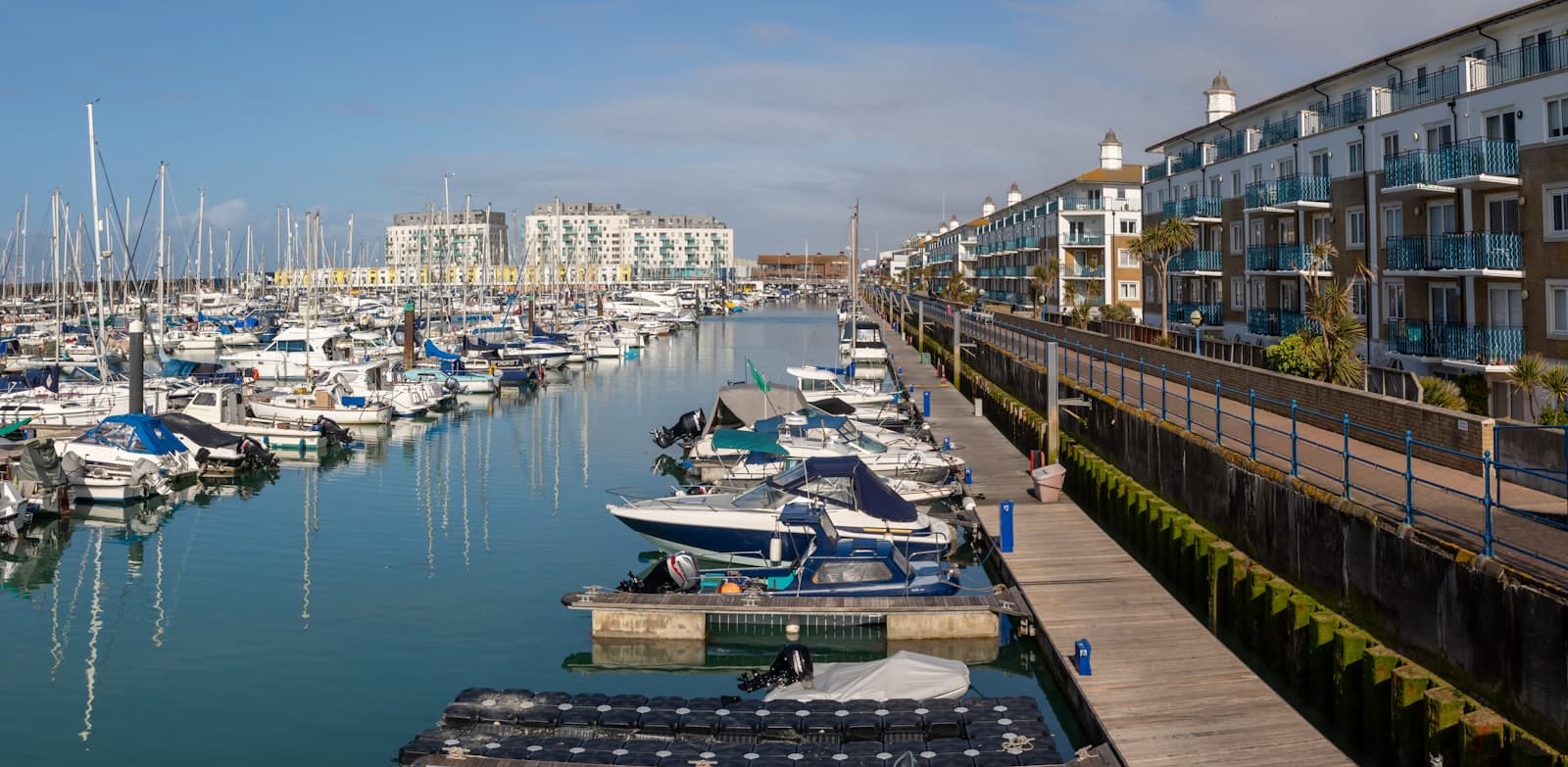
Docking without stress rests on three principles: prepare the manoeuvre before entering the marina (lines, fenders, briefing), arrive as slowly as possible while keeping steerage, and use the wind and current instead of fighting them. Everything else — bow thruster, astern work, spring lines — is just tooling in the service of those three ideas.
Prepare the manoeuvre before entering the marina
A successful manoeuvre is 90% decided before the harbour entrance. Call the marina on VHF or by phone to learn your berth and which side you will lie; when in doubt, rig lines and fenders on both sides. Brief the crew role by role: who passes which line, onto which cleat, in what order — with one absolute rule: never an arm or a leg between the boat and the dock. Have an explicit plan B: if the approach looks wrong, you calmly pull out and go around again. Finally, the golden speed rule: never enter faster than the speed at which you are willing to hit something. Most botched arrivals trace back to a line not ready or a role not assigned, not to a lack of skill at the helm.
Read the wind and current, then put them to work
Before committing, observe for thirty seconds: flags, wind indicators on neighbouring masts, water moving along the pontoons. Those thirty seconds are worth three attempts. Wind is your first engine or your first enemy. If it pins you onto the berth, arrive parallel, stop the boat and let it drift gently onto the fenders. If it blows you off the dock, commit to a steeper approach at 20 or 30 degrees and get the windward line across fast. Whenever you have the choice, present the boat head to wind or head to current: the flow then acts as a natural brake and the boat stays controllable at very low speed.
Astern gear and prop walk, demystified
Going astern, almost every single-screw boat sees her stern kick to one side: that is prop walk. A right-handed propeller walks the stern to port in reverse. It is not a defect, it is a datum: test it on a calm day, boat stopped, one firm burst astern, and watch where the stern goes. Then use it — when possible, choose the docking side that walks your stern towards the dock. Remember too that a rudder only steers when water flows over it: in reverse, gather some way before trusting the helm, then work in short bursts of throttle rather than continuous power.
Bow lines, springs, breast lines: mooring that holds
Four lines make a complete tie-up. Bow and stern lines hold the boat along the dock. The springs, crossed towards the middle of the boat, stop her surging forward and aft: they do most of the work, so set them first. A breast line pins the boat if the wind blows her off. Protect lines from chafe where they pass through fairleads and, in tidal waters, lengthen the lines or allow slack to follow the range. On departure, a spring earns its keep again: engine slow ahead against the bow spring, the stern swings out and clears — the classic move for escaping a tight berth.
Docking single-handed: the midships spring method
The single-hander replaces missing hands with preparation. Make a line fast to the midships cleat (the midships spring), run it outside the lifelines, and prepare bow lines and fenders before entering. Approach slowly, parallel to the pontoon, then step off — never jump — and take a turn with the midships spring on a pontoon cleat. Then engine dead slow ahead, helm towards the dock: the boat pins herself against the pontoon and stays there while you walk the other lines across at leisure. A bow thruster helps to align the bow, but treat it as an aid, not a crutch: in a fresh breeze its authority fades, and a failure must never sink the whole manoeuvre.
Where to start
- Pick a calm day and an empty pontoon, and chain the approaches: touch, pull out, repeat on both sides.
- Test your boat's prop walk and note which way it kicks: it is the foundation of all your astern work.
- Write your standard briefing (roles, line order, plan B) and repeat it with every crew, however experienced.
- Practise the midships spring with crew first, then single-handed in easy conditions.
- Anchoring and picking up a mooring buoy follow the same preparation logic; the vocabulary (spring, breast line, way...) lives in the glossary, and the classic traps in our beginner mistakes guide.
Frequently asked questions
How do you dock in a crosswind?
If the wind pins you onto the berth, arrive parallel to the pontoon, stop the boat and let it drift onto the fenders: the wind docks for you. If it blows you off, approach more steeply at 20-30 degrees, get the windward line (or the midships spring) across first, then work the boat in against it under engine. In both cases, double up the fenders on the exposed side.
What is prop walk and how do you use it?
In reverse, the propeller pushes the stern to one side — to port with a right-handed prop. Test it on a calm day: boat stopped, one firm burst astern, and watch the stern. Then build it into your plans: choose the docking side it favours when you can, and use a burst astern to tuck the stern against the dock at the end of the manoeuvre.
Can you dock a 40-foot boat single-handed?
Yes, provided everything is prepared before the entrance and you use a midships spring: a line made fast to the midships cleat, turned onto a pontoon cleat on arrival, then engine slow ahead with the helm towards the dock — the boat pins herself in place while you walk the other lines across. Pick manageable conditions to learn, and treat the bow thruster as an aid, not a guarantee.
The surest way to know a boat is to sail her.
Before you buy — or simply to get away this season. Tell us your dates and your cruising area, and we source the right boat through our network of owners and vetted fleets.