Coastguard, MRCC, MAYDAY: who to call and how
VHF channel 16 to the MRCC or the emergency phone line: who to call at sea, the MAYDAY script, EPIRB and PLB beacons, and what a tow really costs.
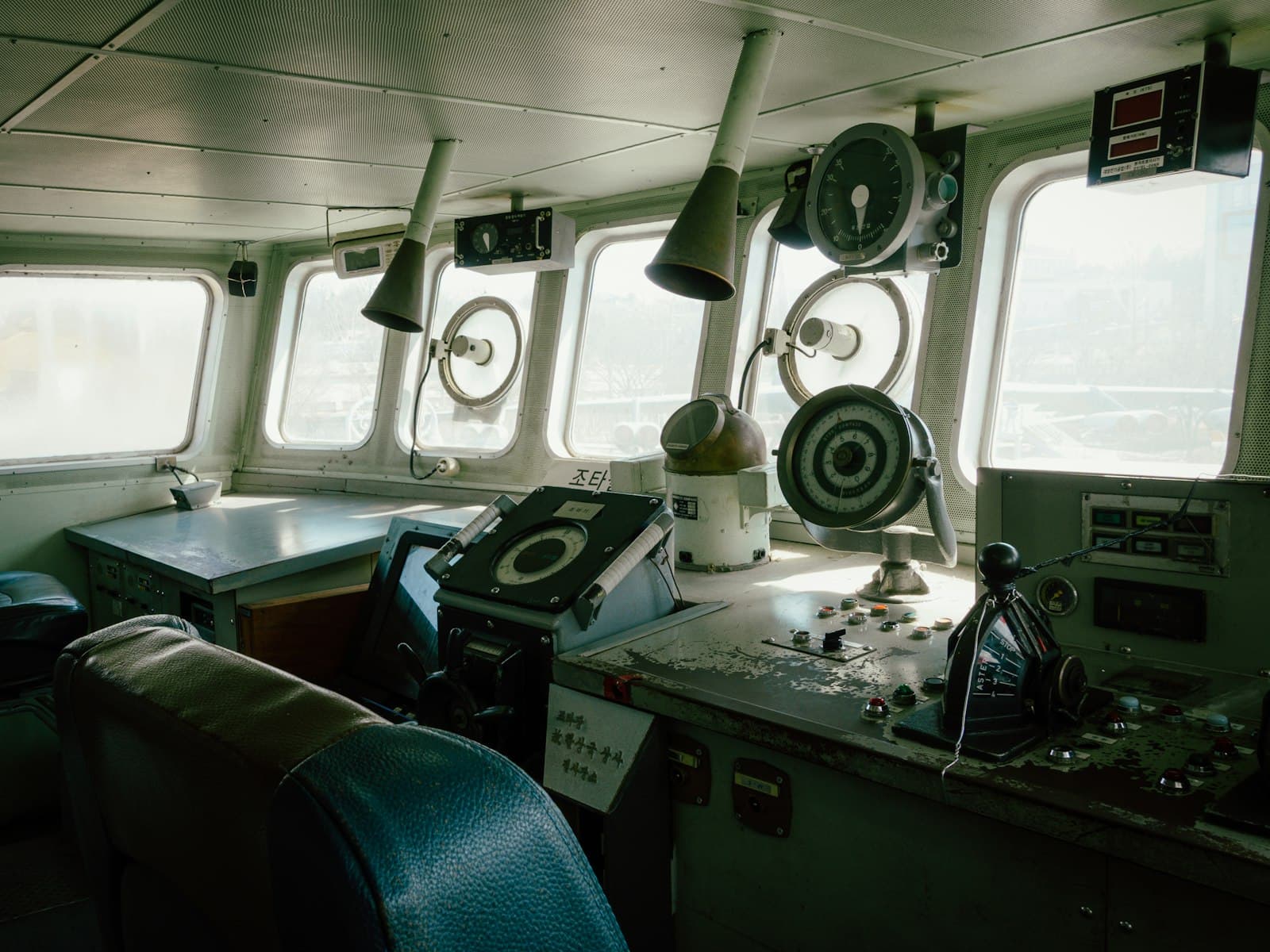
At sea, one reflex covers most emergencies: VHF channel 16, which reaches your MRCC — the Maritime Rescue Coordination Centre that orchestrates all rescue operations (the CROSS in France, HM Coastguard in the UK). Most coastal countries also run an emergency phone number — 196 in France, 999 or 112 elsewhere — but the radio remains the primary tool. MAYDAY signals grave and imminent danger to life; PAN PAN, a serious urgency without immediate threat to life.
Who does what: rescue centres, lifeboats, coastal watch
The MRCC is the conductor of sea rescue: it is who you call, who decides which assets to send and who coordinates the operation from start to finish. Lifeboat organisations — the SNSM in France, the RNLI in the UK and Ireland, similar volunteer services elsewhere — launch at the rescue centre's request with their all-weather boats and RIBs. Coastal watch and signal stations complete the picture with visual and radio lookout along the shore. Remember the essential: you do not call the lifeboat station directly, you alert the rescue centre, which tasks the best-placed asset — sometimes a merchant ship already in your area if it is the fastest option.
VHF channel 16 or the phone: why radio wins
Phone calls have saved lives, and the emergency number is precious, especially for a witness ashore. But on board, VHF wins almost every time:
- every vessel in range hears your call — the yacht a mile away will reach you before the helicopter;
- the rescue centre can refine your position from the transmission, even if you are no longer able to give it;
- the channel stays open: no number to redial, no saturated network, no soaked phone battery;
- the red DSC distress button on a fixed VHF automatically transmits your MMSI identity and GPS position.
Figure roughly 20 to 40 miles of range to a coast station, only a few miles between handhelds. Licence, operator certificate and MMSI: the details are in our guide VHF radio: licence, channel 16, distress calls.
MAYDAY, PAN PAN, SÉCURITÉ: three levels, one script
- MAYDAY: grave and imminent danger to the vessel or the people — uncontrolled flooding, fire, man overboard lost from sight, life-threatening injury.
- PAN PAN: serious urgency without immediate danger to life — major breakdown, stable casualty, contained leak.
- SÉCURITÉ: navigational safety information — dangerous drifting object, extinguished light.
The message fits a simple script: the word repeated three times, the boat's name three times, the callsign or MMSI, the position (GPS latitude and longitude, or bearing and distance from a landmark), the nature of the problem, the number of people on board, your intentions. Speak slowly, articulate, and never leave the channel until released: a PAN PAN can be upgraded to MAYDAY if things deteriorate, and rescue services would far rather cancel an alert than discover it too late.
DSC, EPIRB, PLB: distress that transmits itself
Technology backs up the voice, it does not replace it:
- the DSC function of a fixed VHF alerts the rescue centre and equipped vessels, identity and position sent automatically;
- the EPIRB, the vessel's 406 MHz beacon, fires manually or on contact with water and alerts by satellite anywhere on the globe — figure 400 to 800 €;
- the PLB, a personal beacon (roughly 250 to 400 €), slips into a lifejacket pocket, invaluable single-handed or at night;
- AIS MOB beacons mark a crew member in the water on every screen around.
Beyond VHF range, these beacons speak for you: on an offshore programme they are not a luxury but a given.
Towing: what is free, what gets billed
Rescue of life is free in most jurisdictions — always and unconditionally in Europe. Assistance to the vessel is another matter: a tow for a broken-down boat or a refloating is usually invoiced, based notably on boat size and distance covered — from a few hundred euros to over a thousand for a long job. In the United States, commercial operators handle routine breakdowns under annual memberships. A good policy reimburses all or part of these costs: check the assistance clause before you need it, not after, starting with our guide on boat insurance. And if you cruise regularly, donating to your local volunteer lifeboat service is more than good manners: their boats and crew training run largely on it.
Where to start
- Laminate a MAYDAY script filled in with the boat's name and MMSI, posted next to the VHF.
- Save your local sea-emergency number in every crew member's phone.
- Brief everyone who steps aboard: where the VHF is, how to read the GPS position off the plotter, how to make a call.
- Check that your safety equipment matches your cruising area and that your beacons' registrations are current.
- Run a dry drill at the dock, transmission off — and reread the reflexes for taking on water, where the early alert changes everything.
Frequently asked questions
What number do you call for a sea emergency?
In France the number 196 reaches the CROSS rescue centre directly; the UK uses 999, and 112 works across Europe. On board, VHF channel 16 remains the priority tool: every vessel in range hears the call and the rescue centre can refine your position from the transmission. Phone numbers are best seen as the backup, not the primary channel.
Is a lifeboat tow free of charge?
No: only the rescue of people is free. Assistance to the vessel — towing, refloating — is billed according to boat size and distance, from a few hundred euros to over a thousand. Most pleasure-boat insurance policies reimburse these costs if the assistance clause is included, so check your contract before you need it.
What is the difference between MAYDAY and PAN PAN?
MAYDAY is reserved for grave and imminent danger to the vessel or the people: sinking in progress, fire, life-threatening injury. PAN PAN signals a serious urgency without immediate threat to life: engine failure, stable casualty, contained leak. When in doubt, call PAN PAN: the rescue centre will upgrade the alert if needed.
Your boat can pay for its own berth.
A few chartered weeks a year are often enough to cover the berth and the maintenance. Vetted charterers, secured deposits, and your rules — you keep the calendar.