The Mediterranean: the perfect first-summer itinerary
Three weeks from the French Riviera to Corsica: 15-30 mile legs, sheltered anchorages and a well-planned crossing. The ideal first-summer itinerary.
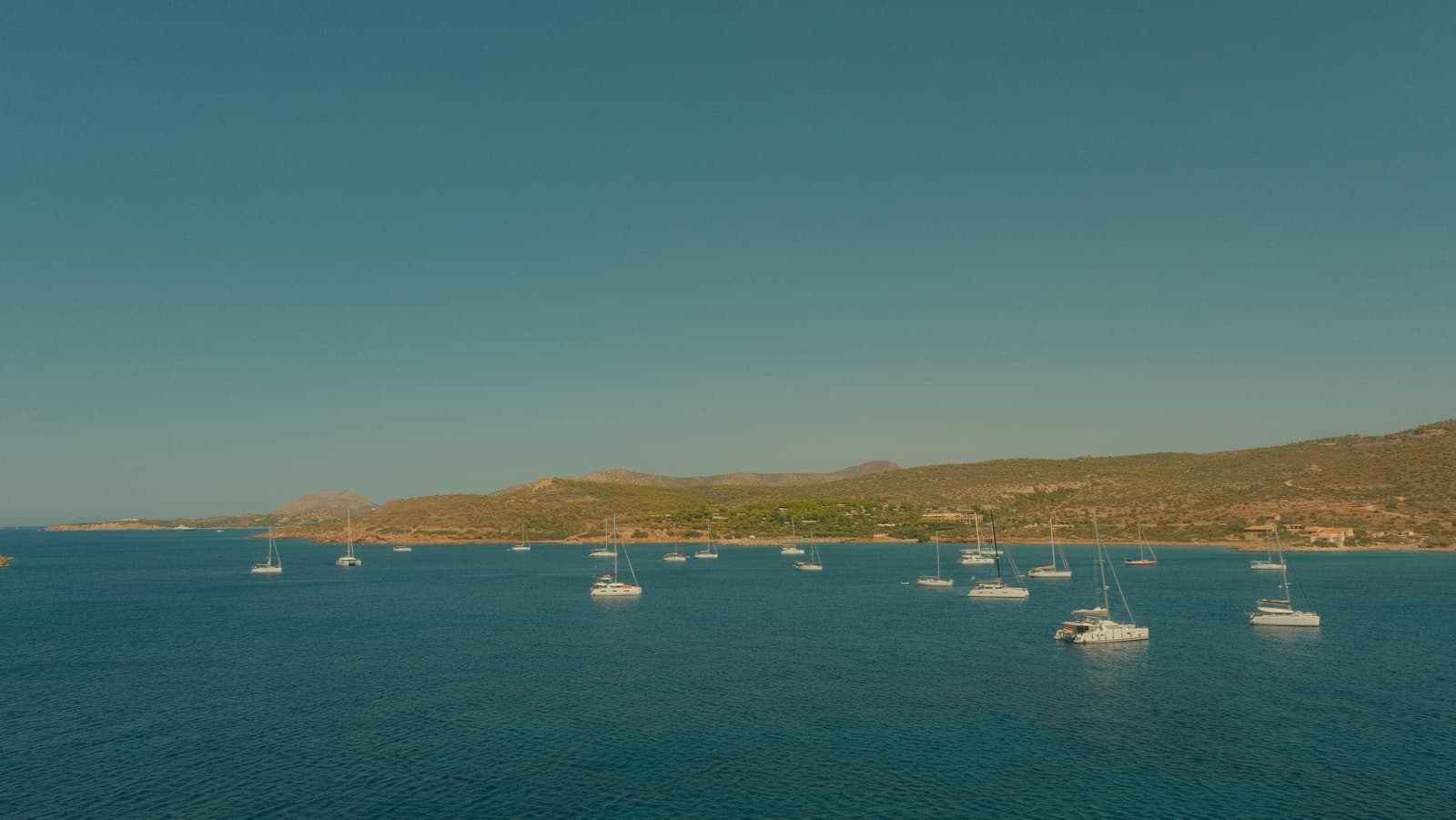
The best first-summer itinerary in the Mediterranean links the French Riviera to Corsica over three weeks: one shakedown week between the Lérins islands and Porquerolles, a 90-to-110-mile crossing to Calvi, then a slow run down Corsica's west coast to Bonifacio. With daily legs of 15 to 30 miles and usable shelter every ten miles or so, it offers the best balance of adventure and safety margin a learning crew can ask for.
Why this route beats the alternatives
Three things make the Provence-Corsica triangle the Mediterranean's best training ground. Forecasting is excellent: coastal models are fine-grained, bulletins are dependable three days out, and Mistral episodes announce themselves well in advance. Infrastructure is dense — a harbour or workable shelter every ten miles, organised mooring fields, near-total phone coverage and well-drilled rescue coordination. And Corsica packs the Mediterranean's best into 100 miles of coastline: nature reserves, cliffs, translucent water. The Balearics and Greece ask for a longer delivery or a flight — save them for your second summer.
Week 1: shakedown between Cannes and Porquerolles
The first week is for tuning the boat and the crew, not for logging miles. A sequence that works: the Lérins islands (a trial anchorage two miles off Cannes), Théoule or Agay, the Gulf of Saint-Tropez, Cavalaire, then the Hyères islands — Porquerolles and Port-Cros, where part of the anchorages carry mooring buoys. Legs of 10 to 25 miles, always with a bolt-hole to leeward. Use the week to test everything the crossing will demand: the windlass, reefing, the autopilot, sleeping aboard while under way. It is also the week you discover your crew's true pace — almost always slower than planned.
The crossing: 90 to 110 miles that deserve respect
From Cavalaire or Saint-Raphaël, count 90 to 110 miles to Calvi — 16 to 18 hours at 6 knots. The proven recipe: leave in the late afternoon, sail through the night in three-hour watches, and raise the Balagne coast mid-morning. The weather window is non-negotiable — no Mistral in the 48-hour forecast, seas under a metre, and no shame in waiting two extra days. On equipment, you will be sailing well beyond coastal limits: check the offshore safety category your flag state requires at this distance (lifejackets with tethers, flares, DSC VHF at a minimum) and have the kit inspected before departure. Add a proper AIS watch: the cargo lanes between Provence and Corsica are crossed at right angles, and at night.
Weeks 2 and 3: Corsica's west coast
From Calvi to Bonifacio, the west coast delivers a headline site every fifteen miles: Girolata and its buoy field, the Scandola reserve (approach regulated, anchoring banned inside), the Gulf of Porto, Cargèse, Ajaccio for provisioning, the Valinco gulf, Campomoro, Tizzano, then the chalk cliffs of Bonifacio and the Lavezzi islands. Two weeks let you enjoy it without racing: legs of 15 to 25 miles and whole days at anchor. For the island's own rules — reserves, buoys, posidonia seagrass, the Libeccio wind — see our guide Corsica by boat. For the return, two options: retrace the coast in three longer hops, or hand the boat back in Ajaccio if your charter company offers one-way rentals.
Realistic distances, rhythm and budget
Over three weeks, the numbers that hold up:
- 350 to 450 miles in total, rarely more than 30 miles on an ordinary day;
- one day in three with no sailing at all — that is what makes it a holiday;
- 8 a.m. departures so you are anchored before the afternoon thermal breeze;
- three spare days at the end of the trip to wait out the return window.
On cost, a 12-metre berth runs roughly 60 to 150 € a night in August depending on the harbour and its standing, while anchoring stays free outside regulated buoy fields. Fuel is a minor line for a sailing yacht, a major one for a fast motor boat covering the same route. To put a full summer into numbers, line by line, use our cost-of-ownership calculator.
Where to start
Everything is decided six months out. Book the charter or your key berths in winter: Calvi, Ajaccio and Bonifacio sell out in August. Practise anchoring in real conditions, have the safety equipment checked, and load up-to-date electronic charts and pilot guides. If the boat is not yet chosen, the platform shapes the trip: a catamaran wins at anchor, a monohull wins on the crossing itself. And if nobody aboard has ever done a night at sea, hire a skipper for the outbound leg — it is the best training course money can buy.
Frequently asked questions
How far is it from the French Riviera to Corsica by boat?
Count 90 to 110 nautical miles depending on your departure and arrival ports — Cavalaire to Calvi is typical. At 6 knots that means 16 to 18 hours at sea, usually done overnight. A fast motor yacht cruising at 20 knots makes it in 5 to 6 hours, but is just as dependent on sea state.
How much experience do you need to cross to Corsica?
There is no official threshold, but the passage involves a night at sea, an organised watch system and reading a 48-hour forecast. A skipper who has already sailed at night and anchored in 20 knots of wind is the sensible minimum. Failing that, hiring a professional skipper for the outbound leg turns the crossing into an accelerated training course.
How much does a three-week Mediterranean summer cost?
On charter, a 12-metre sailing yacht runs roughly 4,000 to 7,000 € a week in August, about half that in June. Add 2,000 to 4,000 € of cruising costs over three weeks: berths, fuel, provisioning. On your own boat the cruising costs are similar; it is the fixed annual costs that dominate the picture.
The surest way to know a boat is to sail her.
Before you buy — or simply to get away this season. Tell us your dates and your cruising area, and we source the right boat through our network of owners and vetted fleets.