Yacht delivery: moving your boat without sailing it
Delivery skipper or cargo ship, day rates and per-mile pricing, insurance and prep: what yacht delivery really costs and how to organise it well.
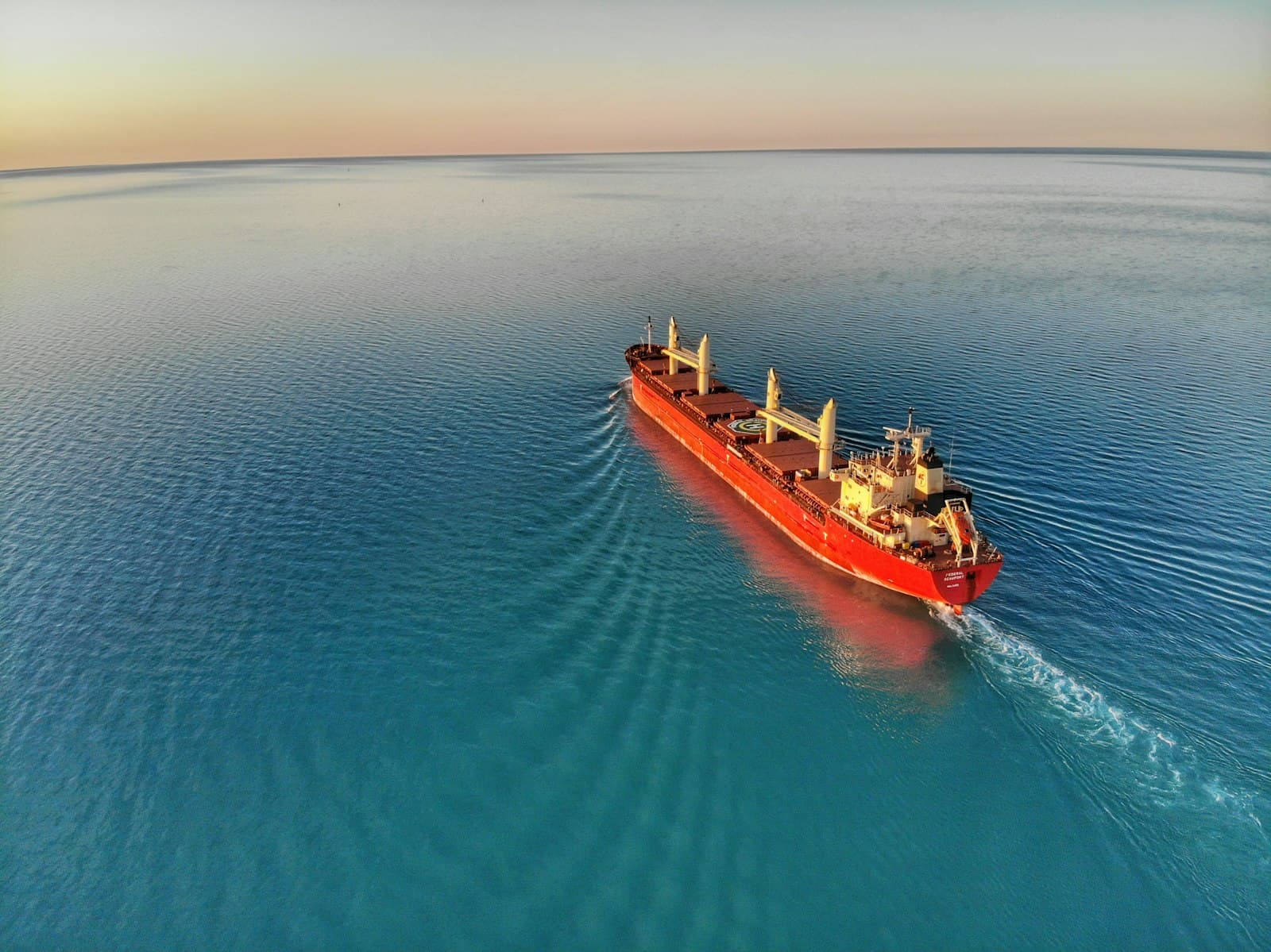
Yacht delivery means having your boat moved by a professional skipper who sails it for you, or shipping it by cargo vessel or truck. By sea, budget roughly 150 to 250 € per day for the skipper plus running costs; by ship, a transatlantic crossing bills at 15,000 to 40,000 € depending on size. The right choice comes down to distance, schedule, and how much you care about engine hours and wear.
By sea or by ship: two opposite logics
A delivery on the boat's own bottom is economical over short and medium distances, but it adds miles, engine hours and wear, depends on weather windows, and takes weeks on long routes. Shipping inverts everything: fast, not a single mile added to the boat, but expensive, with dates and ports dictated by the carrier's schedule, plus the logistics of cradles and craneage.
In between, road transport remains relevant for trailerable and truckable boats, in practice up to around 12 metres depending on beam and height. The simple rule: short distance or a boat built for offshore work, go by sea; ocean crossing with a tight calendar or a fragile boat, go by ship.
What a sea delivery really costs
Here is what a serious quote is made of:
- The professional skipper: 150 to 250 € per day, or a fixed fee; some price per mile, around 1.50 to 3 € per mile, tapering with distance. Those rates reflect a real trade — see our guide to becoming a professional skipper.
- Additional crew on larger boats or long routes: roughly 100 to 150 € per day each.
- On the owner's account: crew travel to and from the boat, provisioning, fuel, marina fees en route, and any repairs along the way.
As orders of magnitude: a 200-mile coastal hop often lands at 1,500 to 2,500 € all in; a Mediterranean-to-Caribbean run under sail at 8,000 to 15,000 € depending on the boat. Be wary of very low quotes: they usually hide a skipper with no commercial ticket and no insurance.
Ship and truck: when the logistics earn their cost
Specialised carriers link the Mediterranean with the Caribbean, the US East Coast and the Pacific every year. Pricing is by volume or by metre, with cradle, craneage and transport insurance on top — which is what takes a transatlantic shipment to 15,000-40,000 € for an ordinary-sized sailing yacht or motorboat. Shipping is the obvious answer for fast boats without ocean range, and for owners in a hurry.
Road transport costs on the order of 1,500 to 6,000 € for a national or European haul, wide-load escort and unstepping the mast included for a sailing yacht. If the move goes with a purchase abroad, paperwork stacks on top of the transport itself: our guide to importing a boat covers it.
Insurance and liability: the step you must not skip
This is the most neglected chapter, and the most expensive one when things go wrong. Before a sea delivery, ask your insurer: does the policy cover the waters being crossed, and navigation by a declared professional skipper? Some policies exclude deliveries or require the skipper and their tickets to be named. The skipper, for their part, must carry professional liability cover. For shipping, the carrier offers voyage-specific ad valorem insurance.
In every case, insist on a written contract: a signed inventory, a photographed condition report at departure and arrival, and a clear split of costs in case of damage or weather delays. Have the whole arrangement validated by your insurer before departure — the general principles are in our boat insurance guide.
Preparing the boat: half the battle
A poorly prepared boat pays for itself in billed waiting days. Before handover:
- Recent engine service: filters, impeller, belts, and a documented sea trial.
- Rig and sails inspected for a delivery under sail.
- Safety gear current and matched to the intended passage: serviced liferaft, lifejackets, beacon.
- Papers aboard: proof of ownership, insurance, written authorisation from the owner.
- Personal effects and valuables taken off, and known weaknesses listed honestly for the skipper.
Tracking the passage and taking delivery
Agree a contact rhythm before departure: a daily message on coastal runs, fixed check-ins by satellite tracker or messenger offshore. The weather decision belongs to the skipper: never push for a departure — it is the leading cause of damage on deliveries. On arrival, run a joint condition check: engine hours, fuel consumed, any damage, and a written debrief.
To get the project moving: collect two or three detailed quotes, verify tickets, insurance and references, and always compare against the shipping option beyond 1,000 miles. And if you are tempted to sail the route yourself with a crew instead, our guide to crossing the Atlantic sets the frame.
Frequently asked questions
How much does a yacht delivery cost?
By sea, budget 150 to 250 € per day for a professional skipper, or 1.50 to 3 € per mile, plus expenses: crew travel, provisioning, fuel and marinas. A 200-mile coastal run often costs 1,500-2,500 € all in; a Mediterranean-to-Caribbean passage under sail 8,000-15,000 €. By cargo ship, a transatlantic bills between 15,000 and 40,000 € depending on size.
Does my insurance cover a delivery?
Not necessarily: some policies exclude deliveries, restrict the cruising area, or require the professional skipper and their tickets to be declared by name. The skipper must also carry their own professional liability cover. Contact your insurer before departure and get the arrangement validated in writing — it is the only protection that matters if something breaks.
How long does a Mediterranean-to-Caribbean delivery take?
Under sail, count three to five weeks at sea depending on the boat and the route — Gibraltar, the Canaries, then the trade-wind crossing — plus waiting for weather windows, generally between November and January. By cargo ship, port-to-port takes on the order of two to three weeks depending on the line, with no wear and no miles added to the boat.
The surest way to know a boat is to sail her.
Before you buy — or simply to get away this season. Tell us your dates and your cruising area, and we source the right boat through our network of owners and vetted fleets.