Clean cruising: seagrass, black water, products
Seagrass, mooring fields, black water, antifouling and onboard products: the practical habits and rules for clean cruising without the hassle.
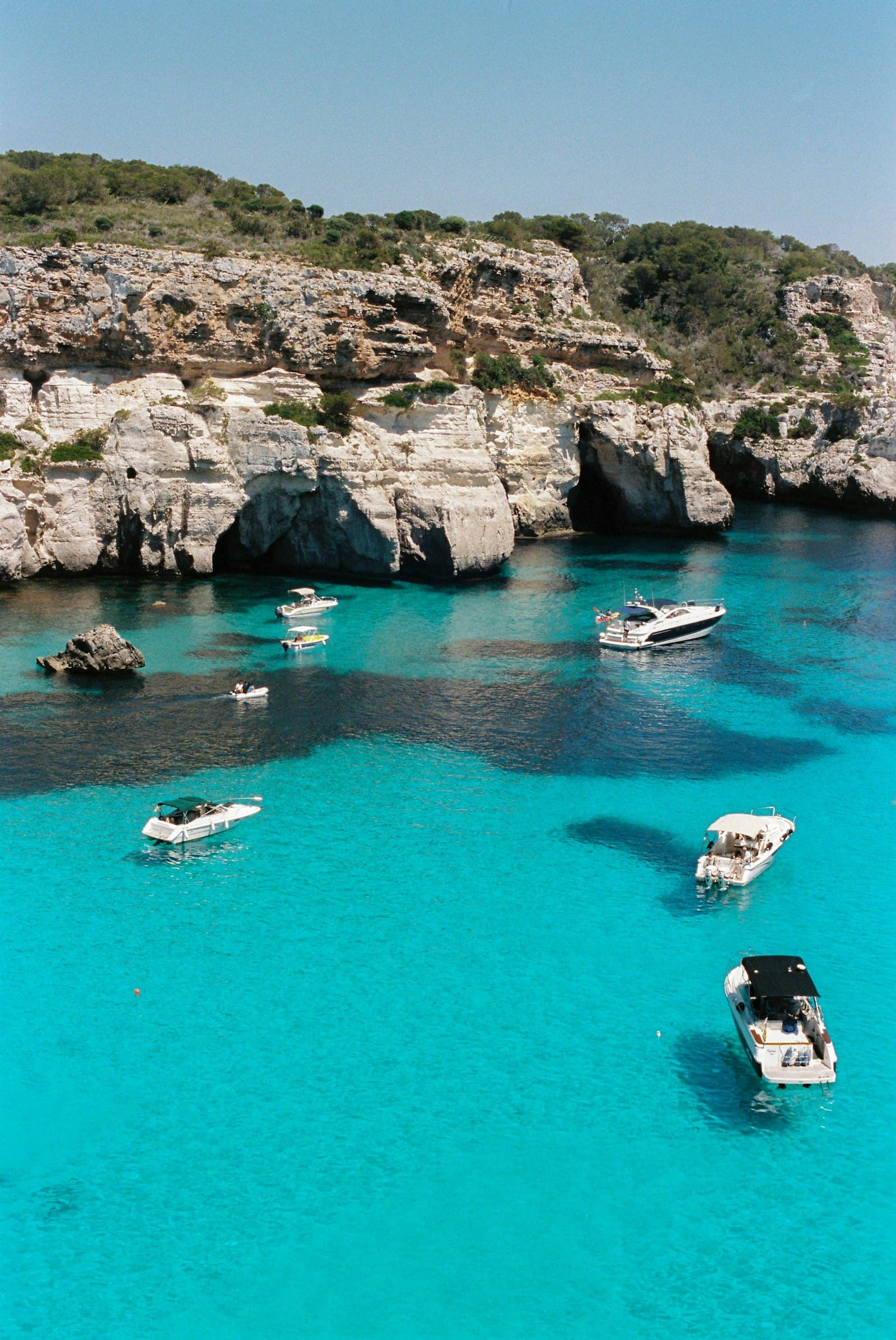
Clean cruising comes down to four habits: anchoring clear of seagrass meadows (or picking up a mooring buoy in a managed field), never discharging black water near the coast, rethinking your antifouling, and switching to biodegradable products aboard. None of them costs much, and the stakes are direct: recreational boating concentrates exactly where the coastline is most fragile — shallows, sheltered coves and seagrass beds.
Seagrass: the underwater forest of the coast
Seagrasses — Posidonia in the Mediterranean, eelgrass and turtle grass elsewhere — are flowering plants, not algae, and some grow by barely a centimetre a year. Their meadows produce oxygen, act as nurseries for a large share of coastal species and damp the swell that erodes beaches. A single anchor scar can take decades to heal — and a dragging chain can plough dozens of square metres in one night.
Many countries now protect these habitats: anchoring in seagrass is restricted or banned in a growing number of areas, larger yachts are the first targets, and fines have become real. Rules evolve quickly and vary by coastal state, so check the local regulations for your cruising ground before you go. The good news: several navigation apps now chart seagrass beds accurately.
Anchoring without destroying: mooring fields, buoys, technique
Managed mooring fields replace the anchor altogether in sensitive sites. Expect 15 to 50 € a night depending on boat size and location — less than a marina berth, and the meadow stays intact. Everywhere else, technique makes the difference:
- Aim for pale sand, never the dark patches that signal seagrass.
- Arrive in good light so you can read the bottom, and check the set with a mask if the water allows.
- Lay out enough chain to avoid dragging — it is the chain that ploughs, more than the anchor.
- Retrieve vertically under engine, without tearing the bottom up.
For the full method, see our guide to anchoring technique.
Black water: the rule and the practice
Black water — toilet waste — is the most regulated discharge aboard. Under most flags, recent boats must carry a holding tank, and discharge is prohibited in harbours, bathing areas and marine protected areas. Offshore, discharge is typically tolerated beyond several miles from the coast, with distances varying by region: check the rules for your cruising area and your flag.
In practice: use the tank systematically at anchor and near the coast, and empty it at harbour pump-out stations — often free, sometimes hard to find, which is why you should locate them along your route in advance. Grey water (dishes, showers) is less regulated, but it all ends up in the sea: product choice matters as much as the plumbing itself, which our onboard plumbing guide explains.
Antifouling: boating's quiet poison
Conventional antifouling works by continuously leaching biocides — mainly copper — into the water, and first of all in marinas, precisely where boats concentrate. The alternatives are maturing: silicone "foul release" coatings that nothing sticks to as long as you sail regularly, periodic hull brushing, ultrasonic systems as a complement, or dry stacking for smaller boats, which removes the problem at the root.
Failing that, choose an antifouling matched to your actual use rather than the most aggressive one, and haul out at a yard with a compliant washdown area that captures the runoff. Our antifouling guide compares the options in detail.
The onboard products that actually move the needle
Aboard, everything that goes down the sink or the shower ends up in the sea, sooner or later. The most effective swaps:
- Biodegradable washing-up liquid, soap and shampoo, ideally certified.
- Zero bleach in marine toilets: it kills the tank's flora and everything living under the boat.
- White vinegar and baking soda for routine cleaning: effective and nearly free.
- Reef-safe sunscreen without filters that harm corals and seagrass.
- A closed ashtray in the cockpit: one cigarette butt pollutes hundreds of litres of water.
And the most profitable habit is invisible: easing back a few knots under engine cuts fuel consumption dramatically.
Where to start on your very next trip
- Download the seagrass charts for your area and mark the mooring fields along your route.
- Locate black-water pump-out stations before you leave, not once the tank is full.
- Replace the three products you use most with biodegradable versions.
- Plan your next haul-out around the alternatives to conventional antifouling.
- Brief the crew: the boat anchored next to you learns by watching you too. Any stubborn technical terms are in our glossary.
Frequently asked questions
Are you allowed to anchor in seagrass?
In a growing number of areas, anchoring in seagrass is restricted or outright banned — the Mediterranean's Posidonia meadows are legally protected in several countries, with larger yachts targeted first and genuine fines issued. Rules vary by coastal state and change quickly, so check local regulations for your cruising ground and always aim for pale sand.
Where do you empty a boat's black water?
At harbour pump-out stations, which are often free — locate them along your route in advance. Otherwise, discharge is only tolerated well offshore, several miles from the coast depending on the area — never in a harbour, at anchor or in a protected area. Near the coast, the holding tank valve stays closed at all times.
Which antifouling pollutes the least?
Silicone foul-release coatings leach no biocides, but they need regular sailing to stay clean. Periodic hull brushing and dry stacking are even lighter options for smaller boats. No solution is perfect: the right choice depends on how you actually use the boat, and hauling out at a yard with a compliant washdown area already prevents a large share of the pollution.
The surest way to know a boat is to sail her.
Before you buy — or simply to get away this season. Tell us your dates and your cruising area, and we source the right boat through our network of owners and vetted fleets.