A boat's market value: how it's built
No official blue book for boats: market value is built from real sale prices, adjusted for engine hours, equipment, condition and season. Here is how.
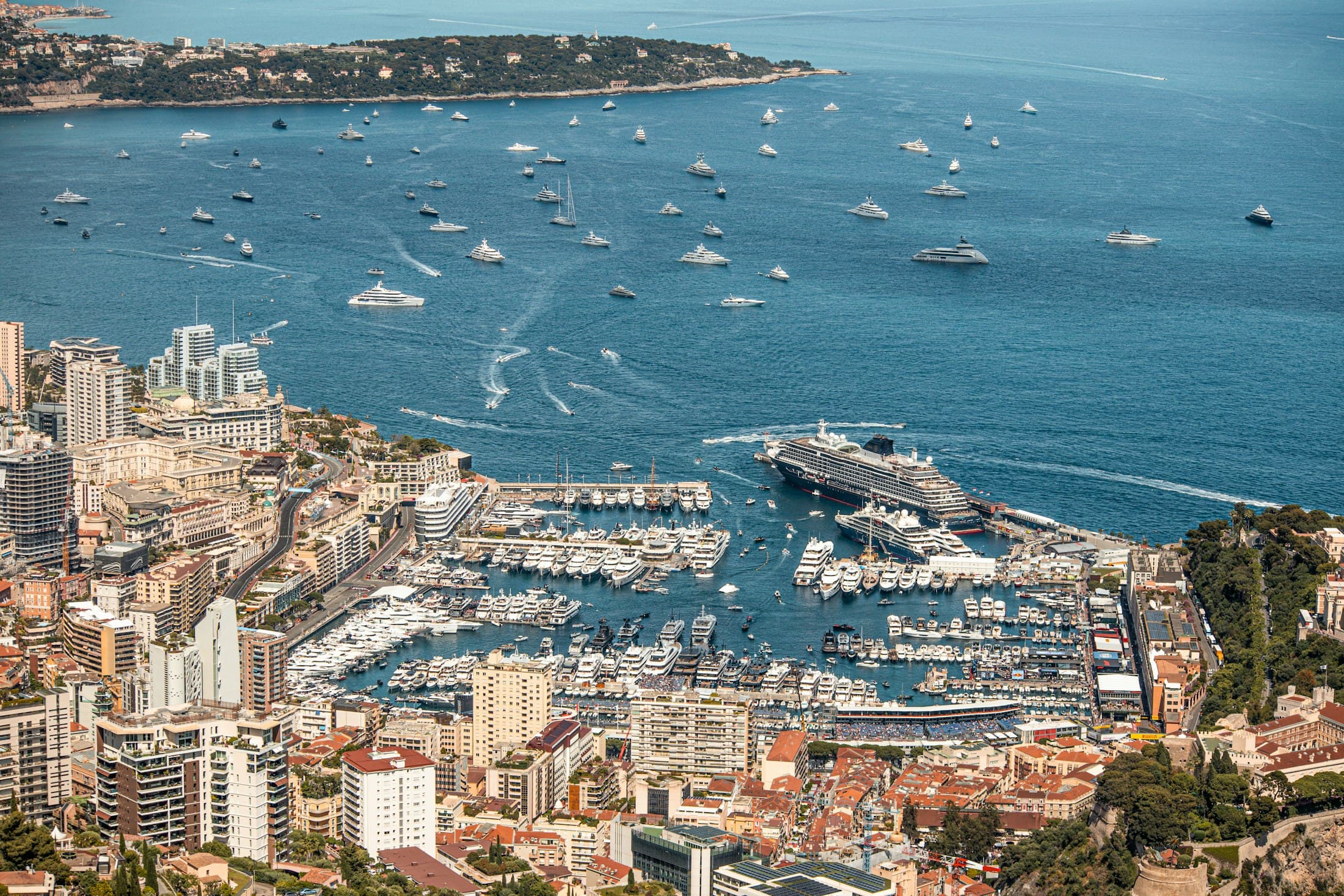
A used boat's market value is not an official figure: it is an estimate rebuilt from real transaction prices, then adjusted for condition, engine hours, equipment and the time of year. Unlike the car market, there is no single authoritative price guide for boats — two boats identical on paper can sell 20 to 30% apart, and that is entirely normal.
Why there is no true blue book for boats
Car valuation guides work because the car market is massive, homogeneous and documented: millions of yearly transactions on standardised models. Boating is the exact opposite. Volumes are tiny — a few hundred to a few thousand units per model over its entire production run —, every boat becomes unique after a few seasons (equipment, maintenance, cruising grounds, possible damage history), and signed sale prices are almost never made public. In the United States, brokers lean on sold-price databases and guides such as BUC or J.D. Power, which lag the live market; in Europe, the data is scattered across brokerages and never consolidated. The values published by portals and magazines are averages of asking prices, not transactions — and the gap between asking and signed price commonly runs 5 to 15%, more on overpriced boats that linger. An asking-price average measures sellers' optimism, not the market.
Engine and hours: the biggest single driver of value
On a motor boat, the engines concentrate most of the buyer's financial risk, and therefore most of the negotiation. Repowering costs tens of thousands: figure 15,000 to 40,000 euros for a 33-40 footer, considerably more with twin installations. The usual reference points: a well-maintained marine diesel can aim for 5,000 to 8,000 hours, an outboard more like 1,500 to 3,000. Beware, though, of the reflex that fewer hours automatically means a better boat: an under-used engine that has sat idle for years often ages worse than one run and serviced regularly. At comparable hours, it is the documented service history — invoices, dated oil changes, recorded replacements — that moves the price. On a sailing boat, add the age of the standing rigging and the condition of the sails: two four-figure items that get negotiated line by line.
Equipment: what resells and what evaporates
The order of magnitude to remember: added equipment resells for 30 to 50% of its new price in the first years, then trends towards zero beyond eight to ten years. Electronics depreciate fastest: a ten-year-old chartplotter adds nothing to the value, it merely avoids a deduction. What holds value better: a bow thruster, a recent watermaker, solar panels with a lithium bank, rigging replaced with the invoice to prove it. Do not expect to recover the cost of cockpit teak or a hull respray: those items pay through the overall impression, not line by line. A buyer pays for condition, not for the list of options.
Season, region, tax status: the invisible corrections
The same boat does not sell for the same price in April and in November. Spring concentrates demand and sellers hold firm. From October to February buyers thin out, berthing and winter storage keep costing the seller money, and negotiation opens up — a ready buyer, financing in hand, often gets 5 to 10% more off. Geography matters too: the same model trades at different levels in the Mediterranean, on the Atlantic coast or in northern Europe, and the European second-hand market has its own circuits and spreads. Finally, tax status materially changes value: a boat whose VAT or import duty position cannot be documented sells for markedly less. The principle is simple, the edge cases are many — have the paperwork checked by a professional familiar with your flag and cruising area before you sign.
Where to find the real prices
- Track listings over time rather than as a snapshot: a boat advertised for eight months is overpriced, and its real value sits below the asking figure.
- Ask two or three brokers about recent sales of comparable models: they know signed prices, not just advertised ones.
- A survey report includes a defended market valuation: it is the reference insurers and lenders actually use.
- Compare across borders on high-volume models: neighbouring markets reveal the true price level once import costs are deducted.
Where to start
Build your own valuation rather than looking for a ready-made one. Gather ten to fifteen listings of the same model in close model years, deduct 8 to 12% to move from asking price to a realistic signing price, then adjust: overall condition and engine hours, value-holding equipment under five years old, rigging and sails on a sailing boat, documented tax status. The figure you get becomes your working range, as useful for negotiating a purchase as for preparing a sale. And keep the valuation in its place: it says what the boat is worth today, not what it will cost tomorrow. The depreciation of the coming years and the maintenance budget weigh more in the total equation than the last 5% of haggling.
Frequently asked questions
Is there a blue book for used boats?
Not in the way there is for cars. In the US, guides like BUC or J.D. Power give reference points but lag the live market; in Europe, published values are averages of asking prices, not signed sales. Professionals rely on recent comparable sales and on survey valuations. For a private buyer, compiling ten to fifteen comparable listings and deducting 8 to 12% remains the most reliable method.
How many engine hours are too many on a used boat?
There is no single threshold: a well-maintained marine diesel can aim for 5,000 to 8,000 hours, an outboard more like 1,500 to 3,000. A 1,500-hour engine that has been run and serviced regularly beats a 400-hour engine that sat idle for five years. Judge on the service log, compression tests and a sea trial, never on the hour meter alone.
When is the best time to buy a used boat?
October to February: demand drops, berthing and winter storage keep costing the seller, and negotiation opens up — often 5 to 10% better than in spring for a buyer who is ready, financing in hand. Spring offers more choice but firmer sellers. The ideal sequence: shortlist in spring, negotiate in autumn.
Reading is the easy part. Then you have to decide.
A boat purchase turns on what you cannot see: the real history, the state of the hull below the waterline, how much room there is to negotiate. We represent you — independent of any seller, paid by you alone.