First purchase: the 10 costly mistakes
Too big too soon, running costs ignored, boat-show impulse buys, skipped surveys: the 10 costly first-purchase mistakes and how to avoid every one.
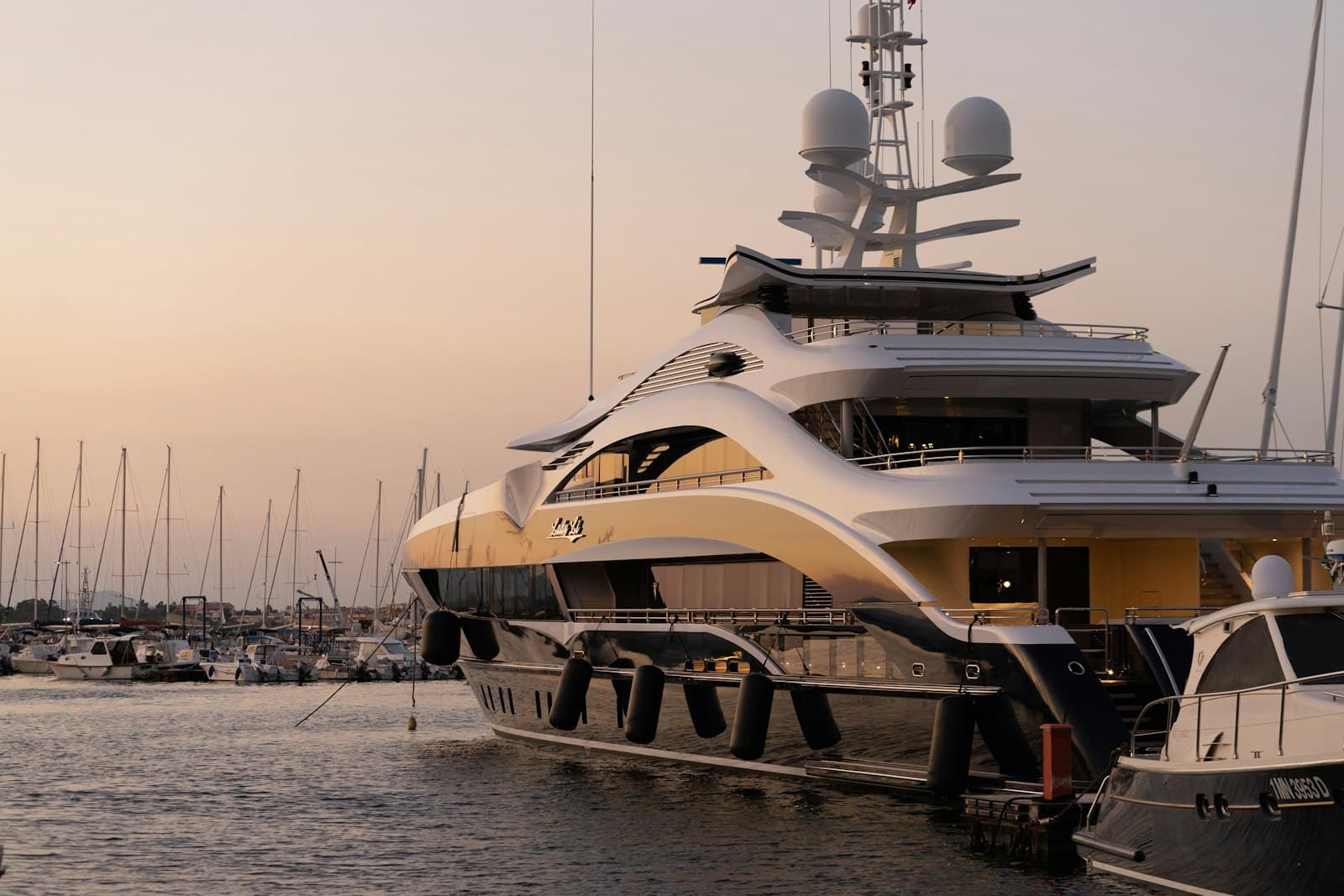
First-boat mistakes all look alike: a boat too big bought too soon, a budget that stops at the sticker price, an impulse purchase signed at a boat show, a survey deemed unnecessary. The good news: they are well known, well documented, and therefore avoidable. They share something else too: almost all of them are made before the signature, at the very moment everything looks simple. Here are the ten most expensive, grouped into four families.
Programme mistakes: buying the dream, not the use
Mistake 1: too big, too soon. Every extra metre makes everything heavier: berth fees, maintenance, insurance, docking stress. A 46-footer that never leaves the marina because her owner dreads coming alongside is a bad purchase at any price. Mistake 2: buying for the dream of the next twenty years instead of the use of the next three. The circumnavigation can wait; your summer weekends cannot. A boat matched to your real use goes out every week; a boat matched to your dream sits at the dock waiting for the dream to free itself up. Mistake 3: the boat-show crush. Flattering lights, a boat stripped of all safety gear, an excellent salesperson: shows are engineered to make you sign. Sleep on it, come back with your measurements and your written programme — the method is in defining your cruising programme.
Budget mistakes: the purchase price is only the entry ticket
Mistake 4: forgetting the running budget. Allow 8-12% of the boat's value per year, all in — berth, insurance, maintenance, winter storage, surprises. On a €150,000 boat that is €12,000-18,000 a year; run your own assumptions through the cost of ownership calculator before signing anything. Do not forget the first year either, always the most expensive: safety equipment brought up to standard, small repairs revealed by use, basic gear — allow an extra 10-20% of the purchase price. Mistake 5: looking for a berth after buying the boat. In tight areas — most of the Mediterranean, for a start — waiting lists run to years: secure the berth before the boat. Mistake 6: badly calibrated financing — monthly payments computed without the running budget, or a finance package signed at the show without comparing a single offer.
Process mistakes: skipping survey and sea trial
Mistake 7: buying second-hand without an independent survey. A few hundred to over a thousand euros for a report that can reveal osmosis, moisture in the laminate or a tired engine: it is the best insurance in the whole file, and a negotiation lever. Independent means chosen by you, not recommended by the seller. Mistake 8: skipping the sea trial, or reducing it to a twenty-minute loop in flat water. Engine under load, manoeuvres, noises, electronics: everything can be tested, and our sea trial checklist details what to look at. A seller who refuses a sea trial is doing you a favour: walk away. The same logic applies to paperwork: an incomplete file — invoices, proof of tax status where your flag requires it, service history — is something you discover before the offer, not after.
Aftermath mistakes: resale and equipment
Mistake 9: ignoring resale on the day you buy. An obscure model, an unusual engine installation, a bold hull colour: everything that complicates resale will cost you in four years' time. Mainstream boats from known yards sell faster and better. Mistake 10: over-equipping before you have sailed. The new owner's first reflex is to add €15,000 of electronics and deck gear; sail a season first — the list of real needs will look nothing like the dockside wish list. The three-year rule helps decide: if you expect to trade up within three years, every unusual choice today is tomorrow's discount.
Where to start
The sequence that avoids most of the mistakes:
- Write down your real programme and your total budget (purchase plus roughly 10% a year) before the first viewing.
- Secure the berth, or verify actual waiting times in your area.
- Shortlist mainstream, easy-to-resell models — slightly too small rather than slightly too big.
- Make an independent survey and a sea trial conditions of your offer.
- Get professional support if doubt persists: a neutral expert eye costs little against the sums at stake — that is the principle behind our yacht buying service.
Treat the whole sequence as a project with milestones, not a weekend impulse: the calendar is your best negotiating ally. A successful first boat is not the perfect boat: it is the one that goes out often and sells on without drama.
Frequently asked questions
What budget should you plan for a first boat?
Think in total budget: purchase price plus 8-12% of the boat's value per year in running costs (berth, insurance, maintenance, winter storage). Many successful first purchases happen between €20,000 and €80,000 on the used market, with an annual envelope of €3,000-8,000. The classic mistake is putting the entire budget into the purchase.
Should a first boat be new or used?
Used is the rational choice for a first purchase: the steep early depreciation has been absorbed, the boat comes equipped, and a wrong choice costs less to correct. New makes sense for a precise programme, accepted build lead times, and a budget that honestly includes the initial depreciation.
Is a survey mandatory when buying a used boat?
It is not legally required, but it is practically indispensable as soon as the price exceeds a few thousand euros. Insurers frequently demand one beyond a certain age or value anyway. Expect a few hundred euros to over a thousand depending on size, haul-out included.
Reading is the easy part. Then you have to decide.
A boat purchase turns on what you cannot see: the real history, the state of the hull below the waterline, how much room there is to negotiate. We represent you — independent of any seller, paid by you alone.