The sea trial: the complete pre-purchase checklist
Engine under load, noises, vibrations, electronics, handling: the complete sea-trial checklist before you buy, and how to turn findings into leverage.
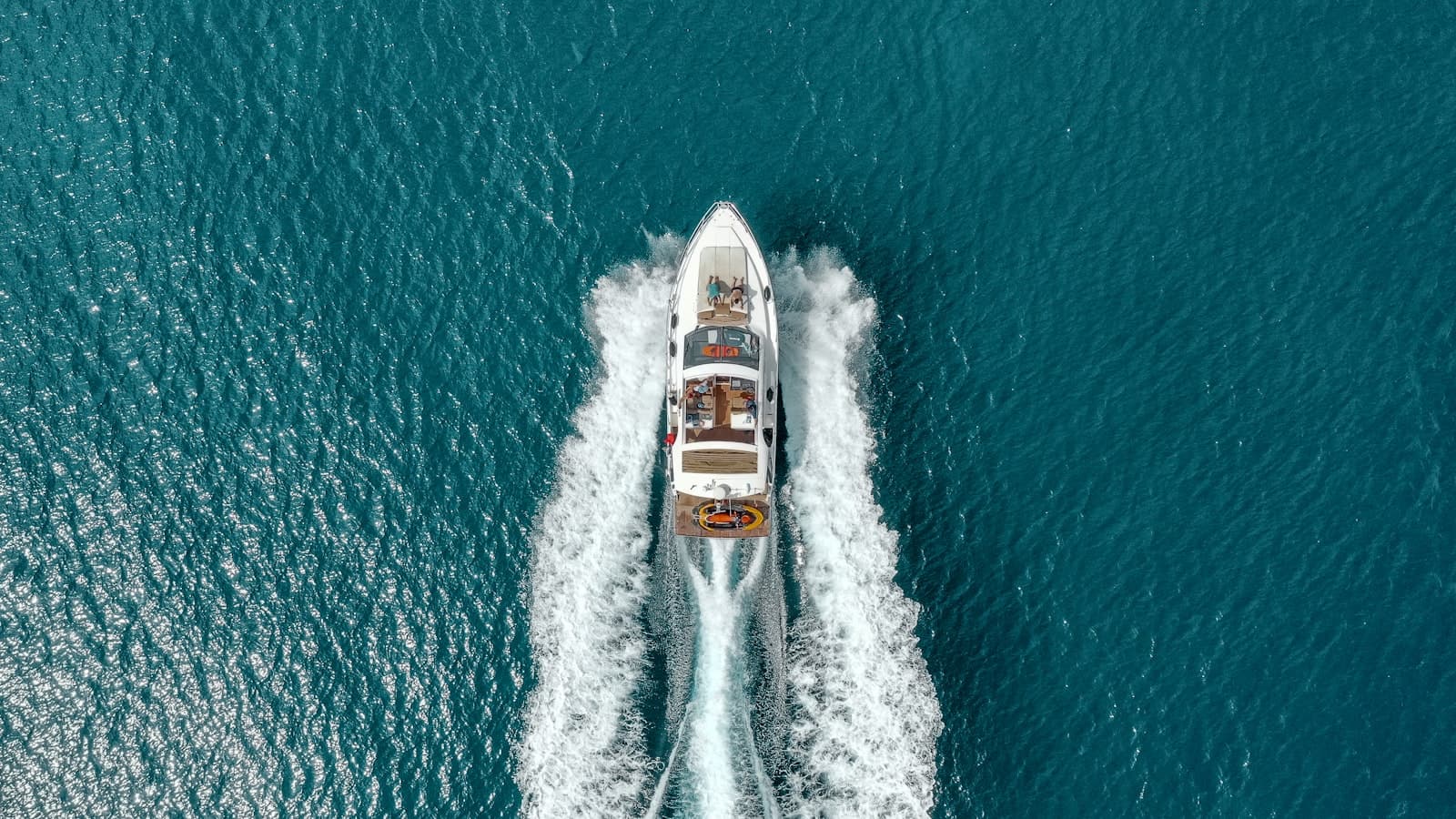
The sea trial is the essential complement to the survey: it tests in real conditions what a dockside inspection cannot see — the engine under load, the hull's behaviour, noises, the electronics actually working. A serious sea trial lasts two to three hours, is prepared with a checklist, and ends with written notes that will drive the negotiation. Ideally it happens after a thorough first viewing and before — or together with — the survey, in a moderate breeze that makes the boat work.
Before letting go: the dockside checks
The trial starts with a cold engine — insist on it: an engine pre-warmed by the seller can hide difficult starts. At the dock, check:
- The cold start: glow time, smoke at start-up (black, white or blue — each tells a different story), idle stability.
- The engine bay before departure: cleanliness, traces of leaks (diesel, oil, coolant), condition of belts and hoses.
- Fluid levels and oil colour — milky oil suggests water getting in.
- Gear engagement alongside: positive, without excessive clunking.
Photograph the engine bay before the trial: you will compare on return. Bring a second adult too: one person handles the boat with the seller while the other takes notes, photographs and ticks the list.
The engine under load, the acid test
This is the most revealing part. Bring the revs up progressively and record: temperature (it must stabilise, never climb steadily), oil pressure, smoke colour at each step. The key test: full throttle for a few minutes — the engine must get close to its rated maximum RPM (the manufacturer's figure); if it tops out 300 rpm short, find out why: wrong propeller, tired injection, fouled hull. Test acceleration, the return to a stable idle without stalling, and firm astern power. On a twin installation, run each engine separately. Note the speed reached at cruising revs as well, and compare it with the seller's claims and the model's published figures. Note the hour-meter reading and cross-check it against the service log.
Under sail: rig and behaviour
On a sailing yacht, insist on setting every sail in the inventory. Check the furler (out and in without forcing), the winches and clutches, the mainsail drop. Under way, note the helm balance: a well-set-up boat needs a light helm upwind; excessive weather helm can point to a badly tuned rig — or something deeper. Look up the mast with binoculars, check leeward shroud tension (they should not pump), and watch the chainplates and floors from inside while the rig is loaded: creaks and movement show up there. In a flat calm, postpone the sailing part: a trial without wind only ever tests an engine.
Noises, vibrations, smells: hunting the weak signals
A sea trial is also done by ear and by nose. Vibration appearing at one specific rpm: shaft line, damaged propeller or engine mounts. Banging in the bilges as waves pass: floors or an unbonded inner moulding. A diesel smell: a leak to trace; an exhaust smell inside the boat: a gasket or exhaust elbow. None of these signals condemns the boat, but each deserves to be written down and investigated — exactly the kind of finding that justifies a targeted follow-up by the surveyor; our guide to the boat survey explains how the two exercises fit together.
Electronics and equipment: switch everything on, work everything
The principle: everything listed in the inventory must be shown working in front of you. GPS and plotter (satellite acquisition, up-to-date charts?), autopilot in real conditions (course holding, turns), depth sounder, VHF (test call), windlass (actually anchor, and recover the full chain), bow thruster, heating, refrigeration, bilge pumps (lift the float switches). "It worked last week" does not exist: whatever has not been demonstrated counts as broken, and gets priced into the negotiation.
After the trial: turning findings into leverage
Back alongside, take twenty minutes to write up your notes while they are fresh: what works, what is doubtful, what is broken. Put a figure on each defect (quick quote or estimate) and rank them: deal-breaker, negotiable, cosmetic. That priced list becomes your basis for discussion — the concrete levers are detailed in negotiating a boat's price. Keep the tone factual throughout: a written, priced list of findings negotiates far better than impressions ever will. If the trial raises structural doubts, make your offer conditional on a complementary survey. And if you do not feel equipped to run the trial alone, bring backup: that is precisely one of the roles of our yacht buying service.
Frequently asked questions
How long should a sea trial last?
Two to three hours is a serious minimum: time to test the engine from cold, the climb through the rev range, manoeuvres, the sails where relevant, and the electronics. A twenty-minute loop in flat water tests nothing. For a significant boat, half a day with the surveyor on board is a good format.
Who pays for the sea trial?
Custom has the seller providing the boat and its fuel for a reasonable trial; the buyer pays for their own surveyor if they bring one. On larger boats, ancillary costs (haul-out, preparation) are negotiated in the sale agreement, sometimes refunded if the sale completes. Put the cost split in writing before the trial.
Can you buy a boat without a sea trial?
It is strongly inadvisable whenever the boat has an engine or a rig — which is to say almost always. If a trial is physically impossible (boat laid up ashore), make the purchase conditional on a satisfactory trial after launch, written into the sale agreement with the deposit held in escrow. A refusal to allow a trial without good reason is a red flag.
Reading is the easy part. Then you have to decide.
A boat purchase turns on what you cannot see: the real history, the state of the hull below the waterline, how much room there is to negotiate. We represent you — independent of any seller, paid by you alone.