The 8 boat families, explained simply
Sailboats, catamarans, sport cruisers, trawlers, river boats, superyachts: the 8 boat families explained, each with a typical use case and budget.
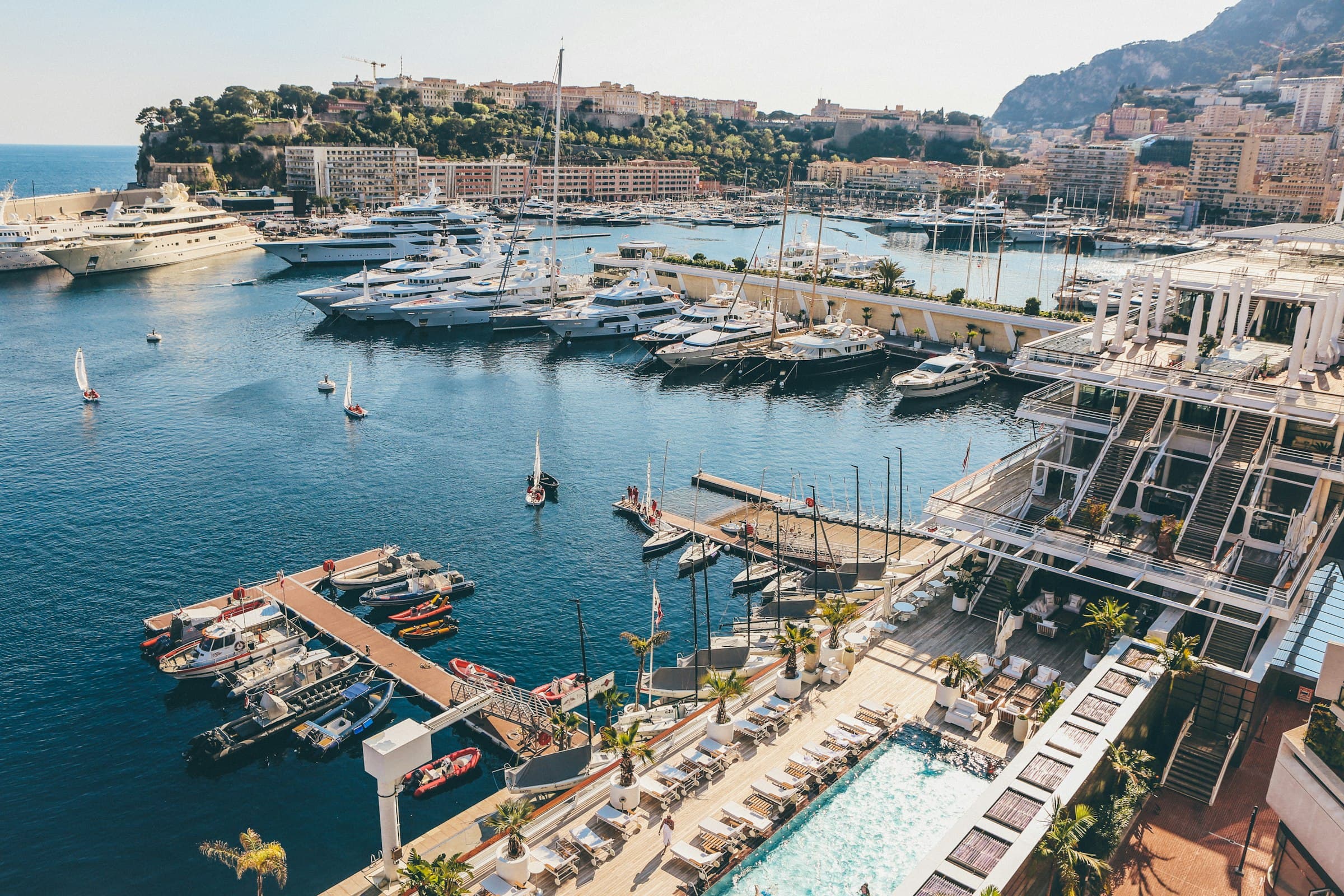
Recreational boating splits into eight big families: sailboats, catamarans, motor yachts, sport cruisers, open and day boats, trawlers and character boats, river boats, and superyachts. Each family answers a specific programme — speed, range, volume, budget — and most buying mistakes come from a mismatch between the dreamed-of use and the family chosen. Here is an honest tour, with each family's typical use case and its accepted trade-offs.
The sailing families: monohulls and catamarans
The monohull sailboat remains the cheapest gateway to liveaboard cruising: a used 33-to-40-footer trades between 40,000 and 150,000 €, fits a standard berth and forgives plenty of beginner mistakes. As a bonus, it delivers helm sensations no other family can match. Typical case: the couple cruising the Mediterranean or Brittany all summer at 6 knots on a controlled running budget.
The catamaran trades those sensations for volume and stability: no heel, a saloon level with the cockpit, four genuine double cabins. Accepted downsides: berths are scarcer and billed at 1.5 to 2 times the monohull rate, and recent boats rarely cost under 300,000 €. Typical case: the family-and-friends tribe in the Caribbean or Greece, living at anchor.
The everyday motor families: day boats and sport cruisers
The open and day boat — 17 to 30 feet, open deck, centre console or bow-rider — are the boats of the single day: swimming, fishing, drinks at anchor, home by evening. Many can be towed behind a car, which removes the berth cost entirely and frees your choice of waters. It is the ideal first boat — and the easiest to resell.
The sport cruiser adds the cabin: 26 to 50 feet, 20 to 30 knots, a real weekend aboard without giving up comfort. The known downside: use it regularly and fuel becomes the top expense, far ahead of the berth. Typical case: the time-poor family that wants the islands on Saturday morning and the office on Monday.
The voyagers: motor yachts and trawlers
The motor yacht — flybridge and hard-top designs from 50 to 80 feet — aims at hotel-grade cruising: volume, stacked terraces, sometimes crew quarters. Budgets reach seven figures new, and usage often justifies a skipper or delegated management. Typical case: the owner who entertains aboard and strings together comfortable ports of call.
The trawler and the character boats take the opposite path: displacement hull, 7 to 9 knots, 5 to 10 litres per hour, range measured in hundreds of miles. Typical case: the young-retiree couple working their way down Europe north to south without depending on the wind — the sailing philosophy, without the sails.
The two extremes: river boats and superyachts
The river boat — canal cruisers and inland motor launches — opens up the waterways of France and Europe, often licence-free for holiday charter. Cruising speed: 5 knots, and that is precisely the point: you travel at the pace of locks and villages. Typical case: discovering the Canal du Midi as a family, or a slow itinerant retirement on the water.
The superyacht, beyond 24 metres, tips into another economy altogether: professional crew, a management company, charter income to offset running costs that reach double-digit percentages of the boat's value every year. You are no longer comparing boats; you are comparing complete operations.
Which family for which programme?
- Swimming and fishing days near the harbour: open or day boat.
- Fast weekends with berths to sleep in: sport cruiser.
- Summer cruising under sail on a controlled budget: monohull sailboat.
- Cruising as a tribe, single-level living at anchor: catamaran.
- Long frugal distances without sails: trawler.
- Hotel comfort, volume and speed: motor yacht.
- Canals and rivers at a slow pace: river boat.
- Beyond 24 metres, with crew: superyacht.
Where to start
Start from the programme, never from the boat: cruising area, typical trip length, the real crew — the one that will actually turn up, not the dream one — and a total budget that includes annual running costs. With that brief written, at most two families usually remain in play, often separated by the sail or power question. Then explore each family's models in the model register, shortlist two or three serious candidates, and above all charter a representative of the shortlisted family before committing. Boat shows are useful for walking through a dozen models in a day, but treat them as documentation rather than decision points: the family verdict belongs to real time on the water. A week's charter costs vastly less than a family mistake discovered after the purchase.
Frequently asked questions
What type of boat should a beginner choose?
For day trips, an 18-to-23-foot open boat is the ideal first boat: simple, towable, easy to resell. For cruising, a used 30-to-36-foot monohull sailboat offers the best learning-to-budget ratio. In every case, charter several times before buying anything.
What is the difference between a sport cruiser and a motor yacht?
The usual boundary sits around 50 feet. Below it, the sport cruiser favours speed and short trips, with occasional sleeping accommodation. Above it, the motor yacht targets residential cruising: volume, several cabins, sometimes crew, and running budgets of a different order.
Why do catamarans cost more in marinas?
A 40-foot catamaran is 20 to 23 feet wide, versus about 13 for an equivalent monohull: it takes up the footprint of nearly two standard berths. Marinas therefore charge a multihull supplement, typically 50 to 100% on top, and suitable berths are scarcer, especially in the Mediterranean.
The surest way to know a boat is to sail her.
Before you buy — or simply to get away this season. Tell us your dates and your cruising area, and we source the right boat through our network of owners and vetted fleets.