Boat licences and training: coastal, offshore, ICC
Coastal licence, offshore extension, ICC, licence-free sailing: who needs what, at what cost, how long it takes — and how to charter abroad legally.
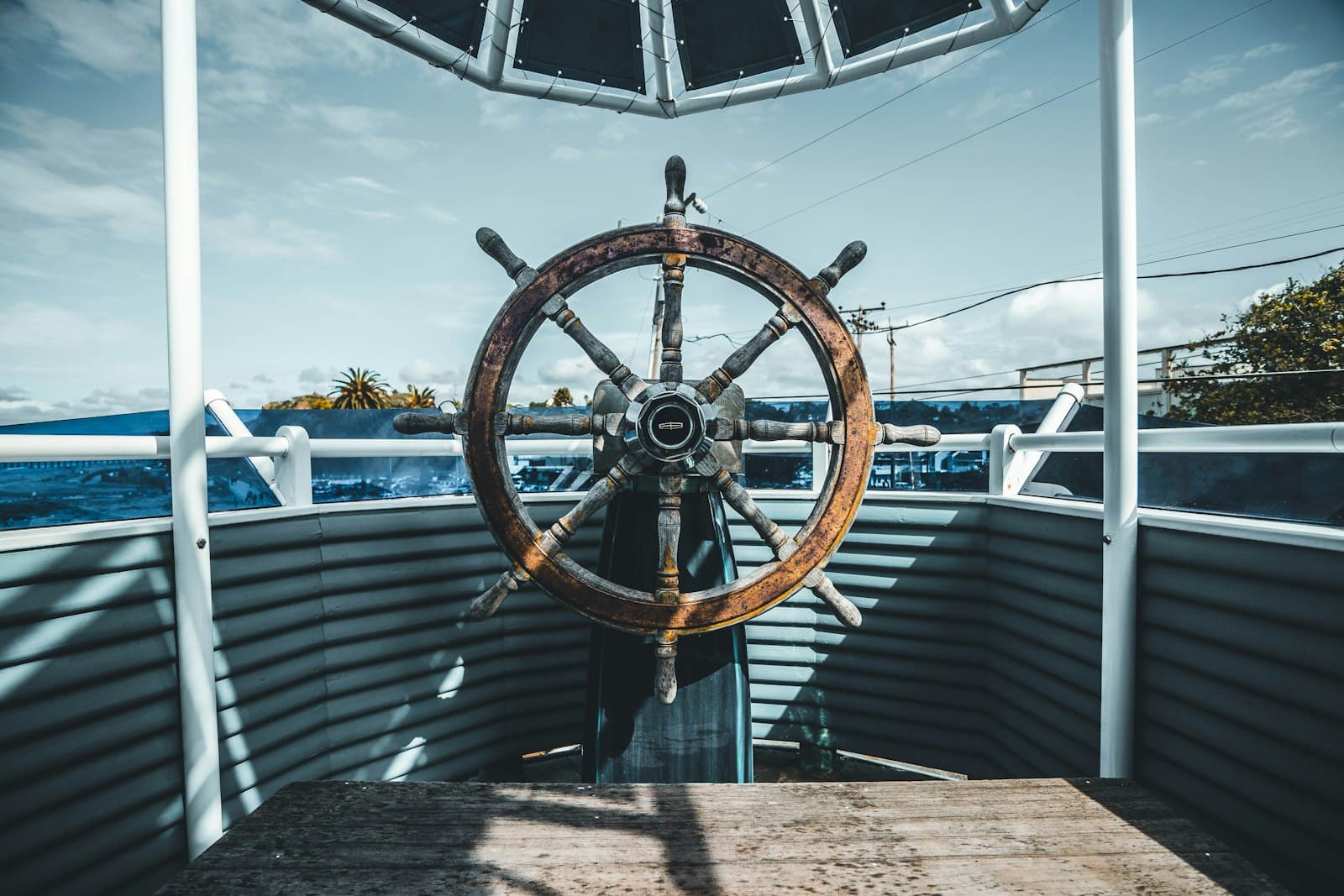
Whether you need a licence to helm a boat depends on your flag state and your cruising ground: France requires a licence for any seagoing powerboat over 6 hp (4.5 kW), the United Kingdom requires none at all for private pleasure use, and most Mediterranean charter countries expect an ICC — the International Certificate of Competence. Budget a few hundred euros and anything from a weekend to a few weeks of training for a coastal powerboat qualification in most European systems. Sailing is licence-free under several flags, but charter companies will still demand proof of competence.
Who needs a licence: it depends on your flag
There is no single worldwide rule. France ties its compulsory licence to engine power: above 6 hp at sea, you need the coastal permit, while sailboats are exempt even with an auxiliary engine. The UK and several northern European countries require no licence for private recreational boating, relying instead on voluntary training. Other countries tie requirements to boat length, speed or distance from shore. Two constants cut through the variety: personal watercraft almost always require a qualification, and the rules that matter in practice are those of the waters you sail in and of the company renting you the boat. Rules change; always verify the current text before committing to a course.
Coastal qualifications: content, cost, duration
Most European coastal qualifications combine theory — buoyage, collision regulations, weather, signals — with a few hours of practical boat handling. In France, the complete coastal permit costs 350 to 500 € and runs from an intensive weekend to a month of evening classes, with lifetime validity. In the RYA system, the five-day Day Skipper practical course plays a comparable gatekeeping role for charters and costs 600 to 900 €. Whichever system you train in, compare what the headline price actually covers: cut-price offers often bill the practical hours separately, and harbour manoeuvres are exactly the part worth paying for.
Going offshore: the next level up
Beyond coastal limits, a second tier of training takes over: the French hauturier extension — a chart-table exam on paper navigation, tides and dead reckoning, around 250 to 400 € including instruments — or the RYA route through Coastal Skipper towards Yachtmaster. Even without an immediate offshore project, this level is a sound investment: it structures your navigation for good, reassures insurers, and some charter companies require it for ambitious itineraries or night passages.
Sailing: licence-free under many flags, never skill-free
No licence does not mean nothing to learn. The French pathway runs through residential courses — Les Glénans and federation-approved schools — with progressive levels and a logbook documenting experience. The RYA pathway (Competent Crew, Day Skipper, Yachtmaster) is the most widely recognised worldwide, particularly by charter companies. And the charter company is the real gatekeeper: for a bareboat sailing charter you will be asked for a detailed sailing CV and usually a certificate, licence or no licence. If you are still weighing the two worlds, reread sail or power through the learning-curve lens: training time is part of the choice.
Chartering abroad: the ICC and radio certificates
Each country sets its own entry requirements, and some — Croatia and Greece foremost — genuinely check paperwork. The most universally accepted document is the ICC, established by UN Resolution 40, which many national authorities and sailing bodies can issue to qualified boaters. National licences are often accepted in the Mediterranean, but equivalences vary by country and by operator: check systematically before booking. On the radio side, operating a fixed DSC VHF requires an operator certificate — the SRC in the RYA system, the CRR in France — and Croatia, for instance, requires a radio qualification for any charter with a VHF aboard. These rules move regularly: confirm the exact requirement with the company chartering you the boat, because they are the ones who will refuse boarding over an incomplete file.
Where to start
Decide first which world attracts you, then move in stages:
- If it is power: book the relevant licence or course with a well-reviewed school, ideally off-season, and add extra hours of harbour manoeuvres beyond the minimum package — that is where everything is decided, not in a straight line at sea.
- If it is sail: book a five-day residential course rather than scattered day sails; the progression is incomparable.
- In both cases, keep a sailing CV from your very first outing — dates, boats, areas, role aboard, miles logged: it is what opens charter bookings at home and abroad.
- Round it out with the glossary to speak the language of the boat, and prepare your first time out at sea methodically.
Frequently asked questions
Do you need a licence to sail a sailboat?
Under several flags, including France and the UK, no licence is required to helm a sailboat, even a large one with an auxiliary engine. However, charter companies demand a sailing CV and usually a course certificate, and some countries require a document such as the ICC. No licence does not mean no training.
How much does a boat licence cost and how long does it take?
In France, the coastal permit costs 350-500 € all in, covering the theory exam and practical hours, over a weekend to a month. An RYA Day Skipper practical course runs 600-900 € over five days. Offshore-level training adds a few hundred euros and several weeks of preparation on tides and paper charts.
Is a national boat licence valid abroad?
Often yes within the Mediterranean, but equivalences vary by country and by charter operator. The most universally recognised document is the ICC, established by UN Resolution 40. Croatia additionally requires a radio certificate for the VHF. Always confirm the exact requirements with the charter company before booking.
The surest way to know a boat is to sail her.
Before you buy — or simply to get away this season. Tell us your dates and your cruising area, and we source the right boat through our network of owners and vetted fleets.