Marine engines: inboard, outboard, sail-drive, IPS
Outboard, shaft-drive inboard, sail-drive or IPS pods: layouts, brands, how to read engine hours and what really breaks — choose with your eyes open.
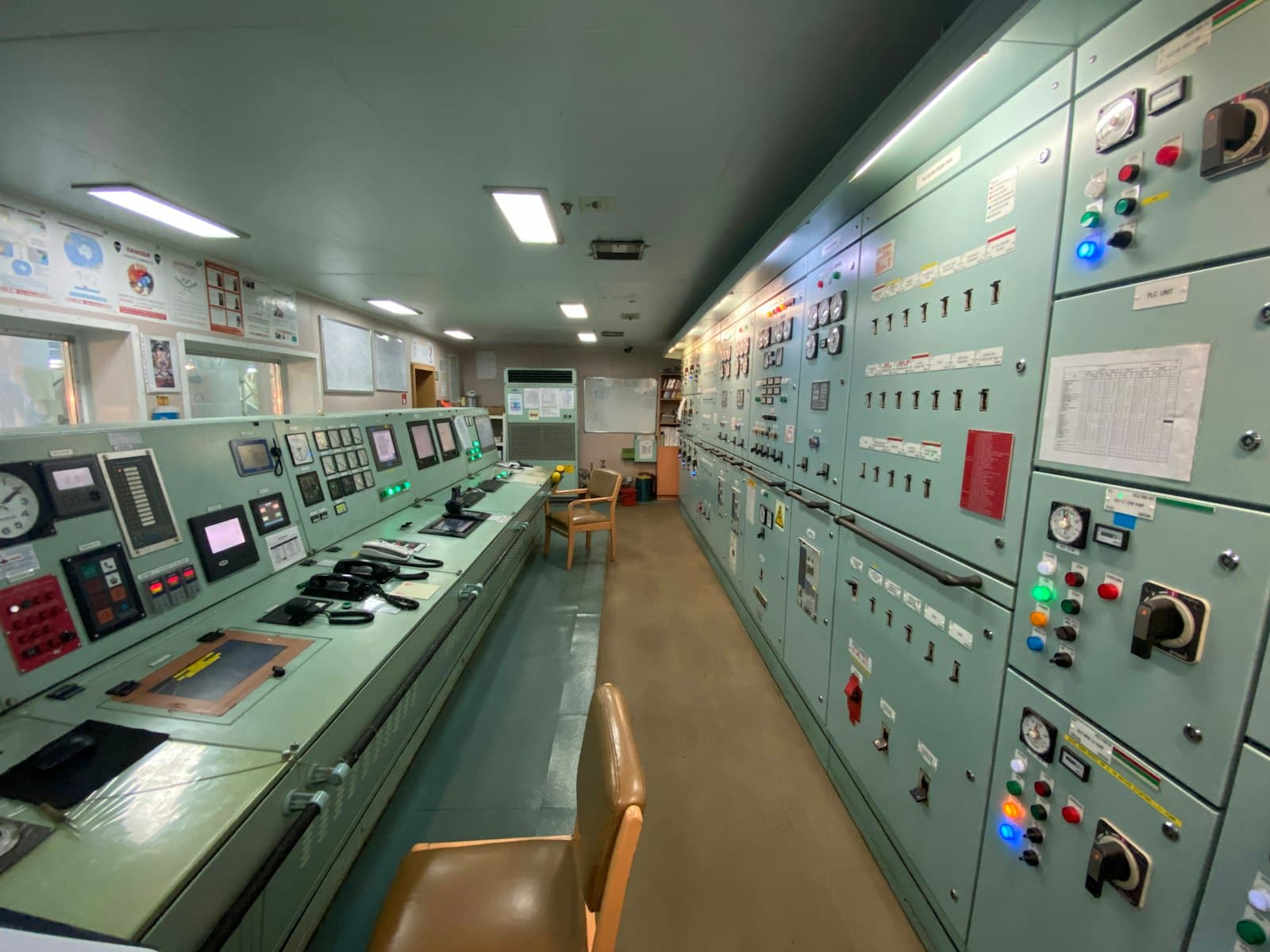
Four main layouts power recreational boating: the outboard bolted to the transom, the classic shaft-drive inboard, the sail-drive fitted to most modern sailboats, and steerable pods such as Volvo IPS. Each has its own playing field, its dominant brands and its known weak points. The right choice depends on the boat, the programme and the maintenance budget you are willing to accept.
The outboard: simplicity that conquered the market
From 2.5 to over 600 hp, the petrol outboard now dominates open boats and cruisers up to 10-12 metres, sometimes in twin, triple or quad installations. Yamaha, Mercury, Suzuki and Honda share most of the market. Its strengths: no space lost inside the boat, accessible servicing, a leg that tilts up for beaching and winter storage, and above all easy end-of-life replacement — a one-day job. The second-hand market follows suit: a hull with a recent, warrantied outboard sells noticeably faster than the same boat with a tired engine. Its limits: petrol prices at high consumption, a typical lifespan of 1,500 to 3,000 hours versus far more for a diesel, and a strong appeal to thieves. For 50 to 100 hours a year, it remains unbeatable on overall cost.
The shaft-drive inboard: the enduring classic
A diesel amidships, a gearbox, a shaft, a propeller: this layout has powered trawlers, motor cruisers and older sailboats for decades. Volvo Penta, Yanmar, Nanni and Cummins dominate. It is the most robust solution and the easiest to have serviced anywhere in the world: expect 5,000 to 8,000 hours from a well-maintained diesel, sometimes more. The watch points: the stern gland (the seal around the shaft), engine alignment and correct propeller pitch. When manoeuvring, prop walk kicks the stern sideways — a flaw that becomes a tool once mastered. Access matters too: a proper engine room where you can move around the block makes every service cheaper and every inspection more likely to actually happen.
The sail-drive: the sailboat standard
On a sail-drive, the engine sits on a vertical leg that passes through the hull, like an outboard leg fixed under the boat. Volvo Penta and Yanmar share almost the entire production-sailboat market. Advantages: compact installation, quietness, reduced vibration, and a propeller kept clear of the rudder. Trade-offs: a hull seal (the large membrane between leg and hull) to inspect regularly and replace periodically per the manufacturer's schedule, with the boat hauled out, plus leg anodes to watch closely — the aluminium leg sacrifices itself fast in an electrically noisy marina. Most owners pair the leg with a folding or feathering propeller, which dramatically cuts drag under sail.
IPS and pods: the joystick changes everything
Steerable pods, of which Volvo IPS is the benchmark, carry forward-facing counter-rotating propellers working in clean, undisturbed water. The results: better efficiency at cruising speed than an equivalent shaft drive, and above all disconcertingly easy joystick docking, including GPS position-holding. The flip side: a specialised service network, expensive parts, and a leg that increases draught. In a violent grounding the pod is designed to shear off without opening the hull, but the bill remains heavy. These systems mostly appear on motor yachts from 12 to 25 metres.
Reading engine hours like an expert
Raw hours say little without context. A petrol outboard typically lives 1,500 to 3,000 hours, a recreational diesel 5,000 to 8,000. But a 3,000-hour diesel with a service log, invoices and regular oil changes beats an 800-hour engine with no history: under-use kills too, through condensation and fouling in an engine that never reaches temperature. When buying, demand the history, run an oil analysis if you can, and test the engine at every speed during a thorough sea trial. Cold starts tell their own story: lingering white or blue smoke, hesitation or unusual rattles are worth more than any brochure figure.
Anticipating failure: what actually breaks
Sea-assistance statistics all point the same way: engine breakdowns almost always share the same causes.
- The cooling circuit: impeller to replace preventively every one to two seasons, scaled heat exchangers, blocked raw-water intakes.
- Contaminated fuel: bacteria and water in the tank, clogged filters — the leading cause of diesel breakdowns at sea.
- Electrics: corroded terminals, tired batteries, starters and alternators at end of life.
- Sterndrive legs and bellows on Z-drives, and neglected anodes everywhere.
The good news: most of it is preventable with regular servicing, part of which you can do yourself, as covered in our engine maintenance guide. Before buying, feed each layout's annual servicing cost into the cost of ownership calculator: between a single outboard and a pair of pods, the budget can vary fivefold.
Frequently asked questions
How many hours does a boat engine last?
As orders of magnitude: 1,500 to 3,000 hours for a petrol outboard, 5,000 to 8,000 hours for a well-maintained recreational diesel inboard. Maintenance matters more than the meter: regular oil changes, reaching operating temperature on every outing and careful winterising extend life significantly. A documented history is worth more than a low number.
What is the difference between a sail-drive and a shaft drive?
A shaft drive links the engine to the propeller with a shaft passing through the hull: simple, robust, repairable anywhere. A sail-drive uses a vertical leg under the engine, more compact and quieter, but with a hull seal to replace periodically and leg anodes to monitor. Modern sailboats are almost all sail-drive; trawlers stay with shaft drives.
Is Volvo IPS reliable?
The system is mature and widely deployed since 2005, with generally recognised reliability when servicing follows the official network schedule. The real issues are servicing and parts costs, clearly higher than a shaft drive, and the bill after a pod strike. When buying second-hand, insist on the complete dealer service history.
Reading is the easy part. Then you have to decide.
A boat purchase turns on what you cannot see: the real history, the state of the hull below the waterline, how much room there is to negotiate. We represent you — independent of any seller, paid by you alone.