New or pre-owned boat: pros, traps, depreciation
Yard lead times versus availability, warranty versus equipment, the depreciation curve: an honest comparison of new and pre-owned boats, trap by trap.
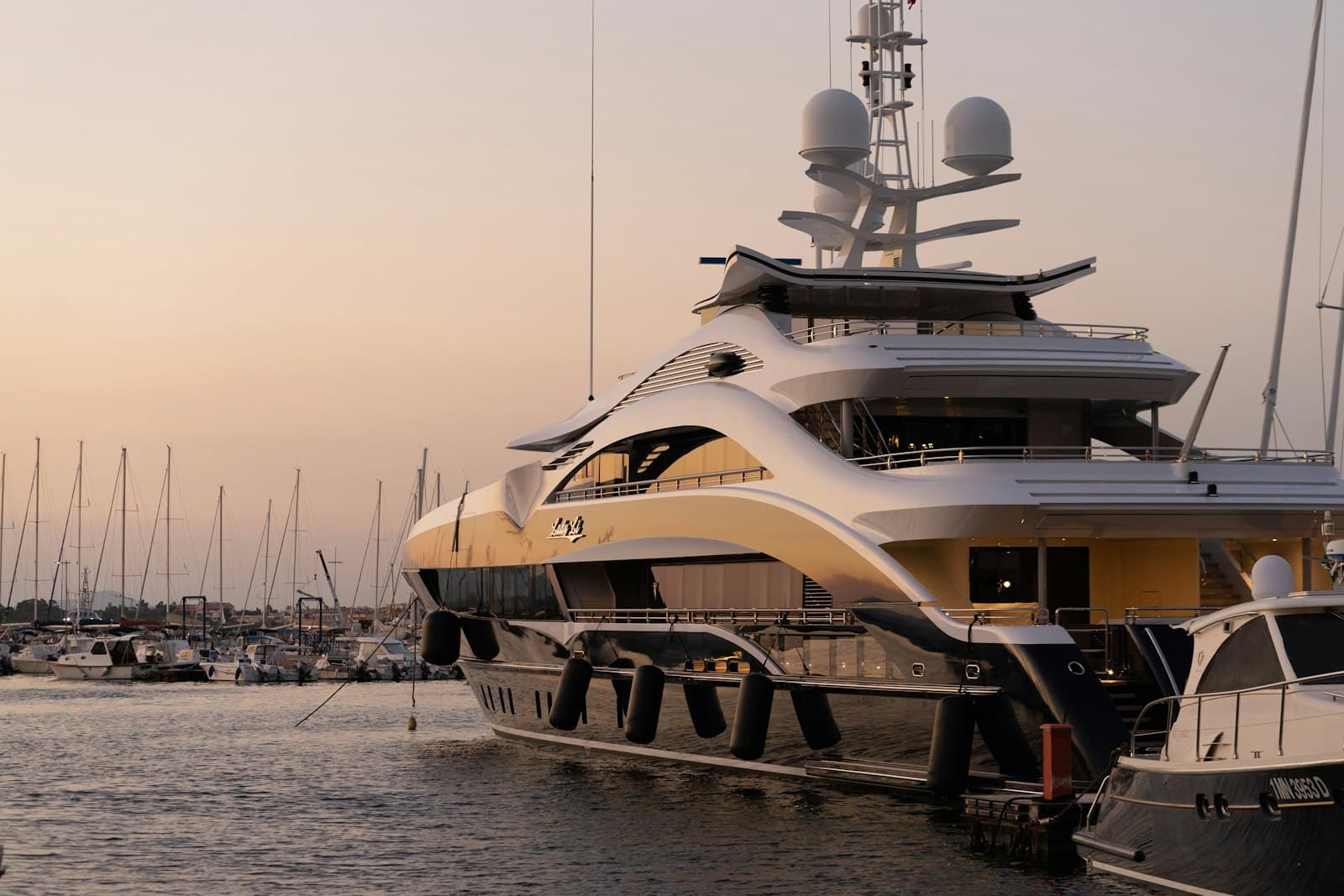
A new boat offers warranty, made-to-order configuration and the latest design thinking, at the price of a 12-to-24-month wait and steep depreciation in the first years. A pre-owned boat offers immediate availability and equipment largely paid for by the first owner, at the price of a mandatory survey and a history to verify. Neither route is universally "the good deal": the answer depends on your calendar, your budget and your tolerance for surprises.
New: what you are really paying
A new boat's list price is a near-bare base. Electronics, bimini, windlass, downwind sails, comfort pack: options routinely add 15 to 30% to the final invoice. Add the lead times — 12 to 24 months from order to delivery depending on the yard and the model year — and a first shakedown season of adjustments, warranty visits and small fixes, perfectly normal for a boat discovering the water. Some yards also impose their own electronics or option packs, which limits the real customisation the new route promises on paper. In exchange: builder's warranty, exact configuration, clean history, often simpler financing. The boat show is the right place to compare ranges, and the worst place to sign on emotion — reread the classic first-purchase mistakes before leaving a deposit.
Pre-owned: equipped and available — provided you verify
A well-kept pre-owned boat comes equipped: on a 40-foot cruiser, the inventory — electronics, dinghy and outboard, solar panels, serious ground tackle, bimini — often represents 30,000 to 50,000 € that the seller will never fully recover in the price. The boat is available now, and its teething problems have been fixed. The counterpart holds in one word: history. Engine servicing, standing rigging age (a 10-to-15-year service life), signs of osmosis, ageing electronics: everything can be checked, nothing should be guessed. Hence the absolute rule: no pre-owned purchase without an independent survey, even on a recent boat. A good broker's listing helps you shortlist, but the survey is the only document that owes you nothing.
Depreciation: the curve that structures the market
As orders of magnitude, a production boat loses 15 to 25% of its value in the first two to three years, then 3 to 5% a year, before a relative plateau. Equipment depreciates faster than the hull. That curve creates the famous sweet spot of the recent pre-owned boat: between 4 and 8 years old, the initial depreciation is absorbed, the boat is still modern, and no major obsolescence looms in the short term. It is also why the first owner of a new boat pays, in practice, most of the boat's whole-life cost of ownership — a sobering figure to keep in mind when comparing quotes. Detailed figures by family — sail, power, catamaran — are in our guide on real-world boat depreciation.
The traps on each side
- New: an incomplete options quote at signing time, delivery slipping by a model year, brutal depreciation if you resell early, teething defects sometimes handled far from the yard.
- Pre-owned: deferred maintenance hidden behind a well-washed deck, a low-hours engine badly winterised — worse than high hours properly serviced —, ten-year-old electronics due for replacement, and a VAT or tax status to verify with documents in hand. On that last point, when in doubt, have a professional validate the file under your flag's rules before signing.
The match by profile
There is no universal answer, but there are typical profiles — find yours:
- You want to sail this summer on a controlled budget: a surveyed boat of 4 to 10 years.
- Precise programme, strong configuration requirements, no urgency: new, ordered early in the model year.
- Allergic to surprises, little appetite for DIY: new under warranty, or a very recent boat still covered.
- Value hunter, willing to search for months: an over-equipped pre-owned boat whose first owner paid the depreciation and the inventory.
Where to start
Price both scenarios as a five-year total cost: purchase price plus options (new) or plus refit-to-standard (pre-owned), minus the estimated resale value, plus the annual running budget. That balance is what compares the two routes honestly — not the sticker price in the window. Walk the boat shows to calibrate new, the brokers' pontoons to calibrate pre-owned, and keep a reserve of 5 to 10% of the budget for first-year surprises, whichever camp you choose: new boats need gear, used boats need fixes. Finally, lean on a yacht buying service if the market feels opaque: on a six-figure transaction, a professional eye pays for itself quickly.
Frequently asked questions
How much does a new boat depreciate?
As an order of magnitude, 15 to 25% over the first two to three years, then 3 to 5% a year before a relative plateau. Depreciation varies by family, brand and equipment — cruising catamarans and some trawlers hold up better. Reselling a new boat after two years is almost always a losing move.
What is the ideal age for a pre-owned boat?
The often-quoted sweet spot sits between 4 and 8 years: initial depreciation is absorbed, the boat is still modern, the electronics are not obsolete and the rigging has not reached its age limit. Beyond 10 to 15 years, the price keeps falling but the refit items — rigging, electronics, upholstery — grow accordingly.
Do I need a survey for a recent pre-owned boat?
Yes. Even at 3 or 4 years old, an independent survey checks the structure, hull moisture, engine and play in the hardware — and its report doubles as a negotiation lever. Its cost, from a few hundred euros to a thousand depending on size, is marginal against the risk it covers.
Reading is the easy part. Then you have to decide.
A boat purchase turns on what you cannot see: the real history, the state of the hull below the waterline, how much room there is to negotiate. We represent you — independent of any seller, paid by you alone.